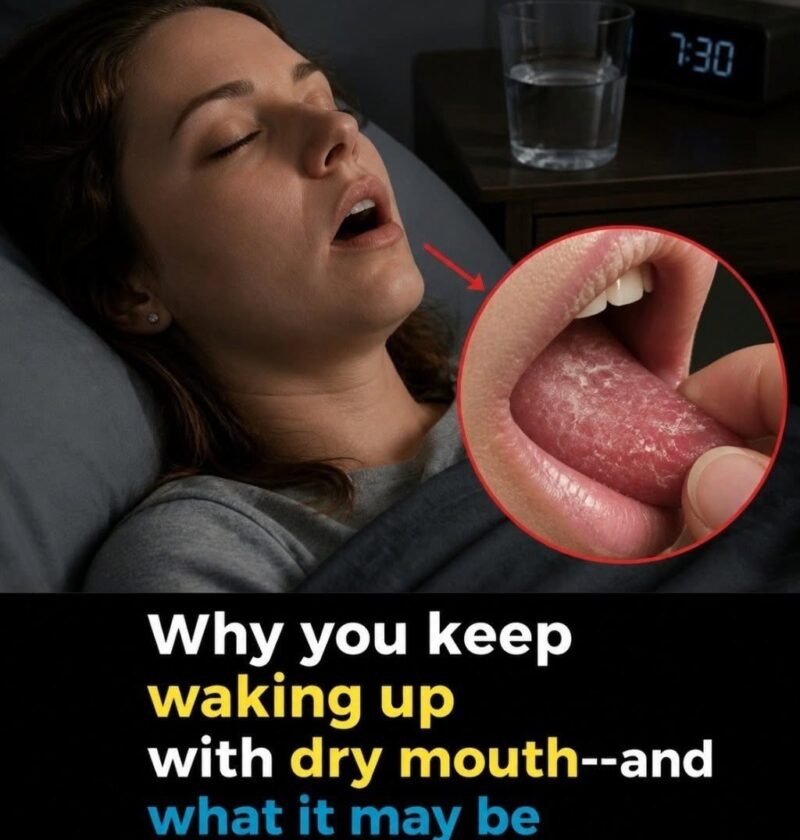
Waking up with a dry mouth is common and is often harmless, but if it happens frequently it can be a sign that something needs attention.
Here are some possible causes:
- Sleeping with your mouth open – Often due to nasal congestion, allergies, or snoring.
- Dehydration – Not drinking enough fluids, especially after exercise or in hot weather.
- Medications – Many medicines can reduce saliva production, including some antihistamines, antidepressants, blood pressure medications, and decongestants.
- Sleep apnea – People with obstructive sleep apnea often snore and breathe through their mouths during sleep, leading to dry mouth.
- Diabetes – High blood sugar can contribute to increased thirst and dry mouth.
- Autoimmune conditions – Conditions such as Sjögren’s syndrome can reduce saliva production and cause persistent dry mouth.
- Smoking or alcohol – Both can dry the mouth and irritate the tissues.
What you can do
- Drink enough water throughout the day.
- Treat nasal congestion if it’s causing mouth breathing.
- Avoid alcohol and tobacco, especially before bed.
- Consider using a humidifier if your bedroom air is very dry.
- Practice good oral hygiene, since dry mouth increases the risk of cavities and gum disease.
- If a medication may be contributing, ask your healthcare provider whether alternatives are available—don’t stop prescribed medication on your own.
When to seek medical advice
Arrange an evaluation if:
- Dry mouth persists for several weeks.
- You have difficulty swallowing or speaking.
- You develop frequent cavities, mouth sores, or oral infections.
- You have excessive thirst, frequent urination, or unexplained weight loss, which could suggest diabetes.
- You snore loudly, stop breathing during sleep, or feel very sleepy during the day, which could indicate sleep apnea.
While waking up with a dry mouth is often due to simple factors like mouth breathing or dehydration, persistent symptoms are worth discussing with a healthcare professional to identify and treat the underlying cause.