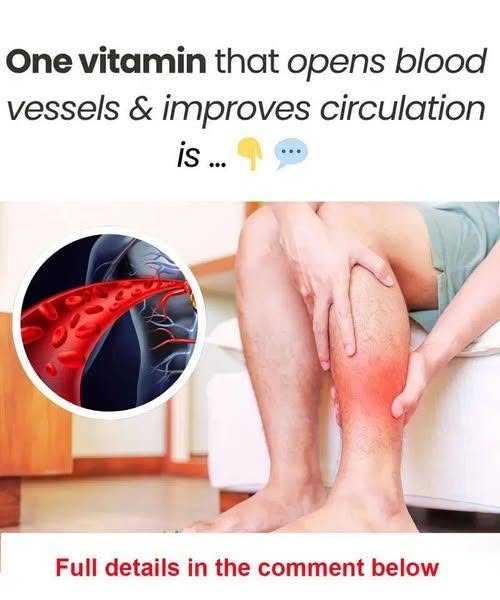
There isn’t a vitamin that directly “opens” blood vessels like a medication (such as a vasodilator), but some vitamins and nutrients support healthy blood vessel function and circulation:
- Vitamin B3 (niacin) – Can cause vasodilation (flushing) by widening small blood vessels. Prescription-strength niacin has been used for cholesterol management, but high doses can have side effects and should be taken under medical guidance.
- Vitamin C – Supports healthy blood vessel walls and helps maintain nitric oxide activity, which helps blood vessels relax.
- Vitamin D – Low levels are associated with poorer cardiovascular health, though supplements don’t reliably act as a direct circulation booster unless you’re deficient.
- Vitamin E – Acts as an antioxidant and supports vascular health, but high-dose supplements are not recommended for everyone.
For improving circulation, lifestyle measures often have a stronger effect: regular walking/exercise, not smoking, managing blood pressure and diabetes, staying hydrated, and a diet rich in vegetables, fruits, nuts, and fish.
If you mean cold hands/feet, erectile function, leg circulation, high blood pressure, or blocked arteries, the best approach can differ. What type of circulation problem are you trying to improve?