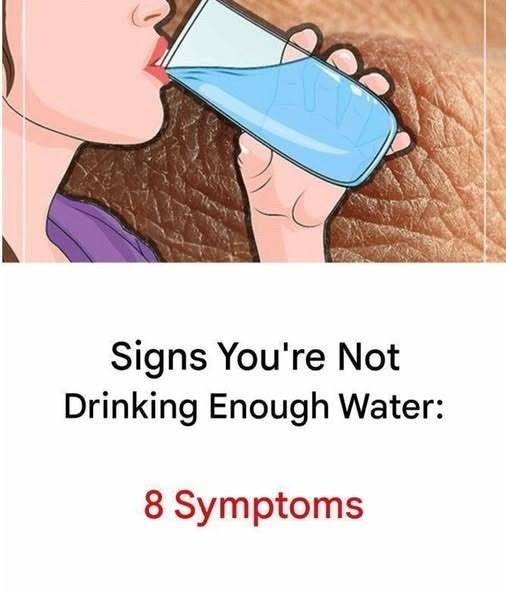
When you don’t drink enough water, your body can become dehydrated, meaning it does not have enough fluid to function properly. Even mild dehydration can affect how you feel and perform.
What can happen when you don’t drink enough water:
- Thirst and dry mouth
- Your body’s first warning signal is often feeling thirsty.
- Your mouth and lips may feel dry.
- Dark, strong-smelling urine
- Your kidneys conserve water, making urine more concentrated.
- Fatigue and low energy
- Dehydration can reduce blood volume, making your heart work harder and leaving you feeling tired.
- Headaches
- Fluid imbalance can trigger headaches in some people.
- Dizziness or lightheadedness
- Lower fluid levels can affect blood pressure and circulation.
- Difficulty concentrating
- The brain is sensitive to fluid changes, and dehydration may affect attention and mood.
- Constipation
- Your body may pull more water from stool, making it harder to pass.
- Muscle cramps
- Fluid and electrolyte changes can contribute to cramps.
- Faster heartbeat
- Your heart may beat faster to help maintain circulation.
- Overheating
- Water helps regulate body temperature through sweating.
Signs of more serious dehydration:
⚠️ Seek medical help if there is:
- Confusion or unusual sleepiness
- Fainting
- Very little or no urine
- Severe weakness
- Inability to keep fluids down
Simple ways to stay hydrated:
- Drink water regularly throughout the day.
- Increase fluids during hot weather, exercise, fever, vomiting, or diarrhea.
- Eat water-rich foods like fruits and vegetables.
The amount of water a person needs varies by age, body size, activity level, climate, and health conditions. If you tell me your age, activity level, and climate, I can suggest a more personalized daily range.