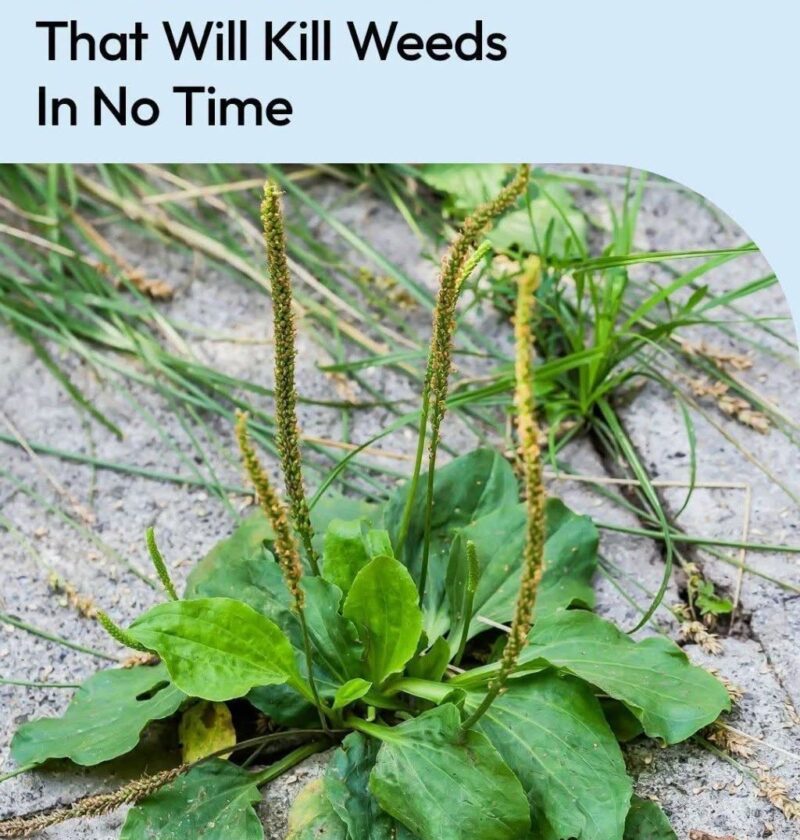
Vinegar can help kill weeds, but there’s an important catch: it is not a selective weed killer. It can damage or kill almost any plant it touches, including grass, flowers, vegetables, and garden plants.
How vinegar works on weeds
- Household vinegar (usually about 5% acetic acid) can dry out and burn the leaves of young, small weeds.
- Stronger horticultural vinegar products (higher acetic acid concentrations) can be more effective, but they require careful handling because they can irritate skin and eyes and may harm surrounding plants.
The catch: it often doesn’t kill the roots
Vinegar mainly affects the parts of the plant above ground. Many perennial weeds can regrow from their roots after the leaves die back, so the treatment may need to be repeated.
Other drawbacks
- Soil effects: Repeated use can alter soil conditions and may harm beneficial organisms.
- Poor control of established weeds: Deep-rooted plants like dandelions, bindweed, and some grasses may survive.
- Timing matters: It works best on small, actively growing weeds during warm, sunny weather.
How to use it more effectively (if appropriate)
- Apply carefully on a dry, calm day.
- Target only the weed leaves.
- Avoid spraying near plants you want to keep.
- Consider physical removal (pulling, digging, or mulching) for long-term control.
Safer long-term weed prevention
- Apply mulch to block sunlight.
- Remove weeds before they produce seeds.
- Improve lawn density so weeds have less space to grow.
- Use appropriate weed-control methods for the specific weed and location.
Vinegar can be a useful short-term tool, but it works best as part of a broader weed-management strategy rather than as a universal weed solution.