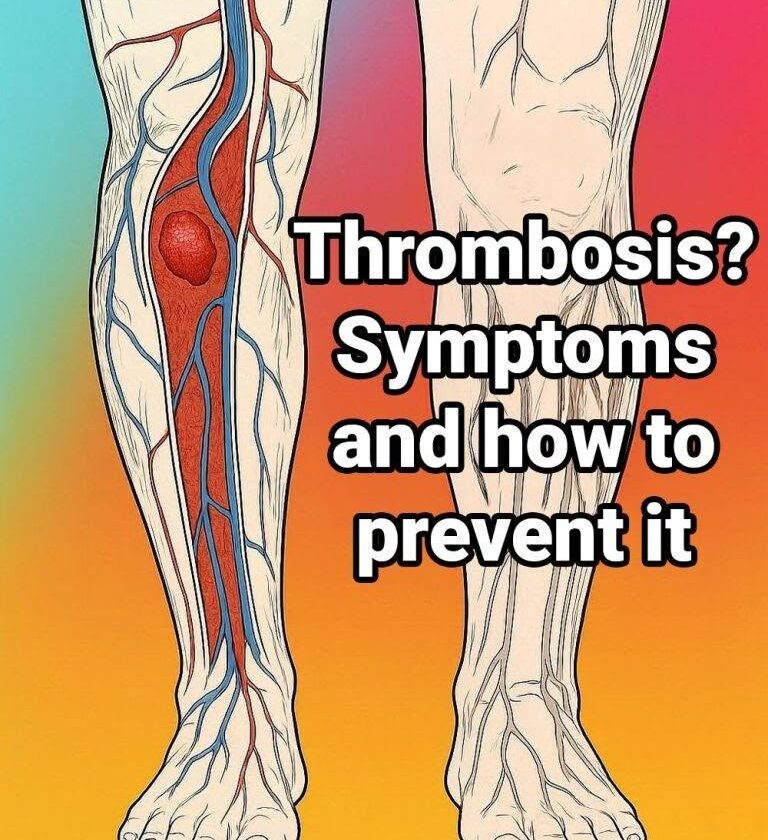
Two common types are:
- Deep vein thrombosis (DVT): A clot that forms in a deep vein, usually in the leg.
- Pulmonary embolism (PE): A serious condition that can happen when part of a clot breaks loose and travels to the lungs.
Possible Symptoms of Thrombosis
Signs of Deep Vein Thrombosis (usually in one leg)
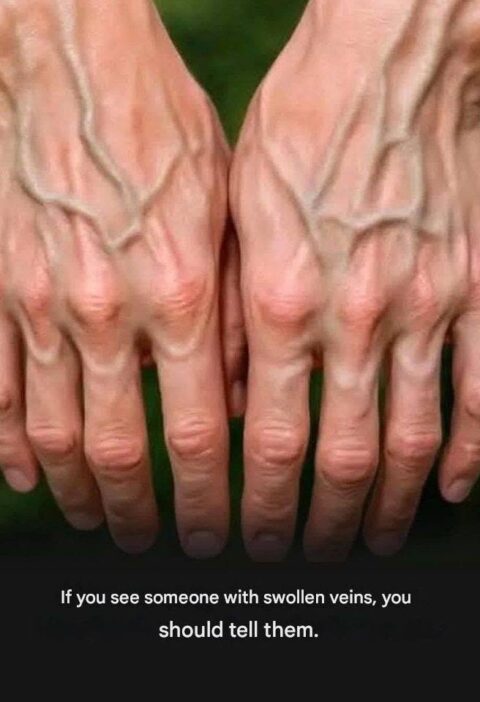
- Swelling in the leg, ankle, or foot
- Pain, tenderness, or cramping (often in the calf)
- Warmth in the affected area
- Redness or discoloration of the skin
Signs of a Possible Pulmonary Embolism
Seek emergency medical help for:
- Sudden shortness of breath
- Chest pain (especially pain that worsens with deep breathing)
- Rapid heartbeat
- Coughing, sometimes with blood
- Feeling faint or collapsing
How to Reduce Thrombosis Risk Naturally
While lifestyle habits can lower risk, they cannot prevent every clot. Some important steps include:
1. Stay Physically Active
- Walk regularly.
- Avoid sitting still for long periods.
- Move your legs during long trips.
2. Maintain a Healthy Weight
Excess body weight can increase pressure on veins and raise clot risk.
3. Stay Hydrated
Dehydration can contribute to thicker blood, especially in certain situations.
4. Avoid Smoking
Smoking damages blood vessels and increases the risk of clot-related diseases.
5. Eat a Heart-Healthy Diet
Focus on:
- Vegetables and fruits
- Whole grains
- Lean proteins
- Healthy fats such as those found in nuts, fish, and olive oil
6. Manage Health Conditions
Keeping conditions such as high blood pressure, diabetes, and high cholesterol under control can reduce cardiovascular risks.
Who May Have Higher Risk?
Risk can be higher with factors such as:
- Long periods of immobility (hospital stays, long travel)
- Previous blood clots
- Certain surgeries or injuries
- Pregnancy or the postpartum period
- Some medical conditions or medications
Important: If you suspect a blood clot—especially with sudden leg swelling, chest pain, or breathing difficulty—do not rely on home remedies. Seek urgent medical care. Early treatment can greatly reduce the risk of serious complications.