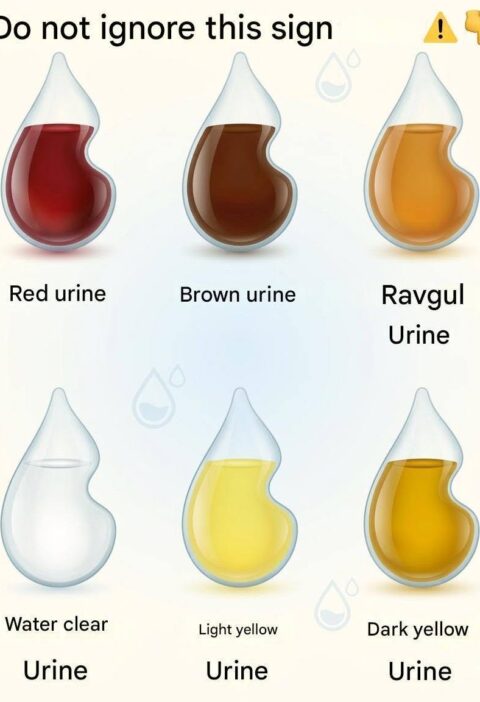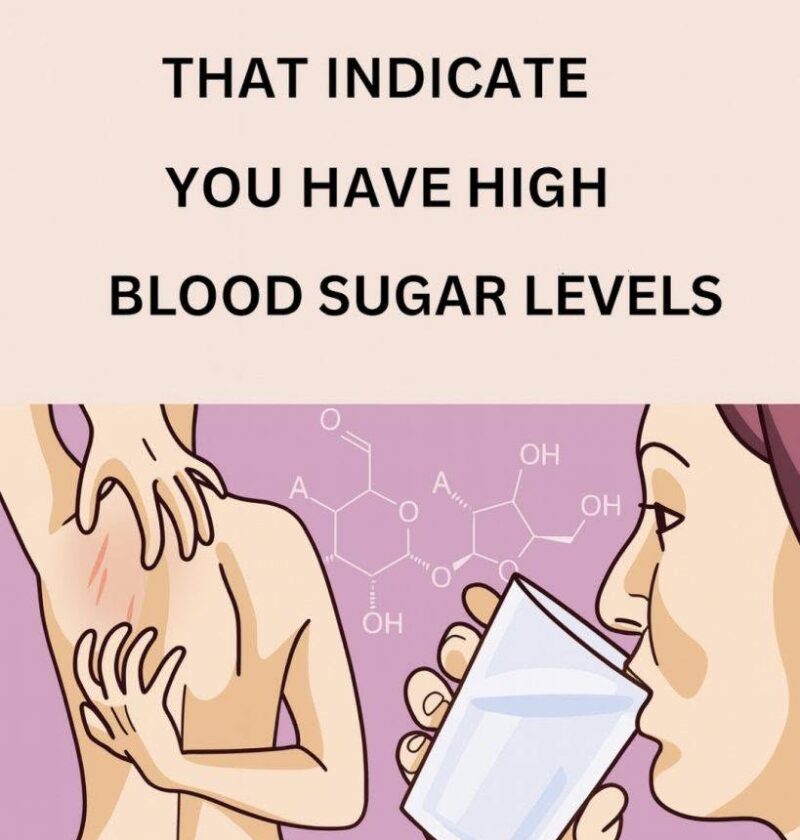
The headline “Signs You Have Too Much Blood Sugar” refers to high blood sugar (hyperglycemia). While these symptoms can suggest high blood sugar, they are not specific and can have other causes. A blood glucose test is needed to confirm it.
Common signs of high blood sugar include:
- Increased thirst
- Frequent urination, especially at night
- Feeling very hungry
- Fatigue or low energy
- Blurred vision
- Dry mouth
- Slow-healing cuts or sores
- Frequent infections (such as skin or urinary tract infections)
- Unexplained weight loss (more common in untreated diabetes)
- Tingling or numbness in the hands or feet (usually develops over time)
When to seek urgent medical care
Get immediate medical attention if high blood sugar is accompanied by:
- Confusion or difficulty staying awake
- Severe vomiting
- Rapid or deep breathing
- Fruity-smelling breath
- Severe dehydration
These can be signs of a serious diabetes-related emergency.
What to do if you notice these symptoms
- Check your blood sugar if you have a glucose meter.
- If you don’t have diabetes but have persistent symptoms, arrange a medical evaluation. A healthcare professional may recommend tests such as a fasting blood glucose or an HbA1c test.
- If you have diabetes, follow your care plan and contact your healthcare provider if your blood sugar remains high or you develop concerning symptoms.
Persistent high blood sugar can increase the risk of complications affecting the eyes, kidneys, nerves, and heart, so early diagnosis and treatment are important.