Atorvastatin Side Effects: 15 Things to Know Before Taking It
Atorvastatin is a commonly prescribed statin medication used to lower LDL (“bad”) cholesterol and reduce the risk of heart attacks and strokes. Like all medicines, it can cause side effects, but many people take it without serious problems.
Online headlines often describe “hidden dangers,” but the important point is understanding possible effects, warning signs, and when to contact a healthcare professional.
15 Possible Side Effects and Considerations
1. Muscle Aches or Pain
Some people experience:
- Muscle soreness
- Tenderness
- Weakness
Mild muscle symptoms are relatively uncommon but should be discussed if persistent.
2. Muscle Injury (Rare)
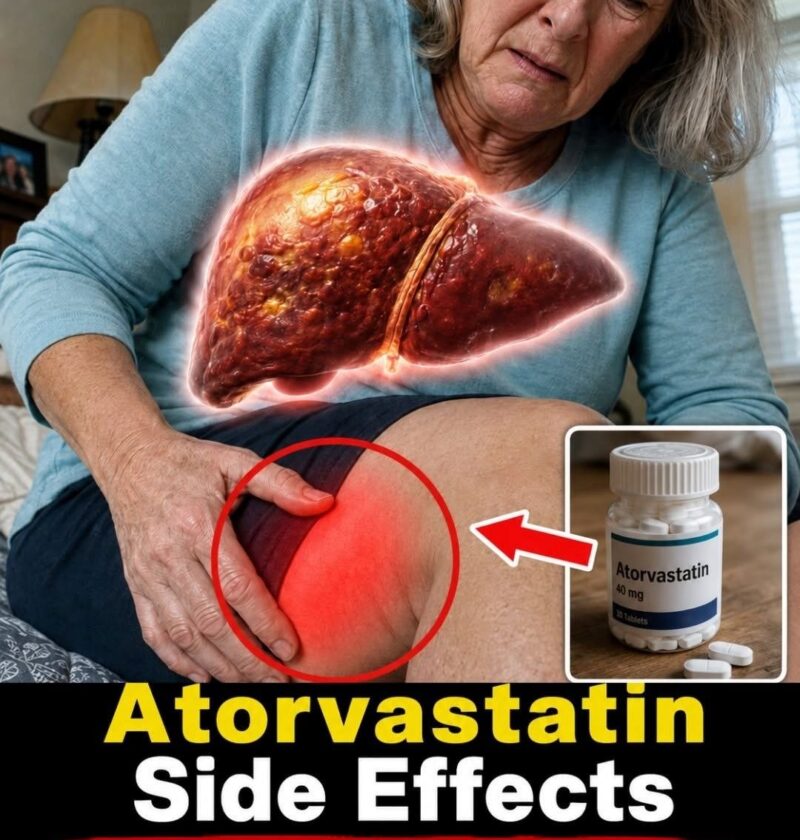
Rarely, statins can cause a serious muscle condition called rhabdomyolysis, which can damage muscles and affect the kidneys.
Seek medical advice for:
- Severe muscle pain
- Extreme weakness
- Dark-colored urine
3. Fatigue
Some people report tiredness after starting a statin, although fatigue can have many possible causes.
4. Headache
Headaches can occur in some people taking atorvastatin.
5. Digestive Symptoms
Possible effects include:
- Nausea
- Diarrhea
- Constipation
- Stomach discomfort
6. Changes in Liver Enzymes
Statins can cause increases in liver enzymes in some people. Doctors may monitor liver health when appropriate.
7. Mild Blood Sugar Increase
Statins may slightly increase blood glucose levels in some people, particularly those already at risk for diabetes. The cardiovascular benefits often outweigh this small risk for people who need statin therapy.
8. Sleep Problems
Some people report sleep disturbances, though research on this association is mixed.
9. Memory or Concentration Complaints
Rare reports of temporary memory problems have occurred. Persistent or concerning symptoms should be discussed with a healthcare professional.
10. Joint or Back Discomfort
Some people report general aches or discomfort while taking statins.
11. Allergic Reactions (Rare)
Possible signs include:
- Rash
- Swelling
- Trouble breathing
These require urgent medical attention.
12. Drug Interactions
Atorvastatin can interact with some medicines, including certain:
- Antibiotics
- Antifungal medicines
- Heart medicines
- Other cholesterol-lowering drugs
Always tell your healthcare professional about all medications and supplements you take.
13. Grapefruit Interaction
Large amounts of grapefruit or grapefruit juice may increase atorvastatin levels in the body and raise the chance of side effects.
14. Increased Sensitivity in Older Adults
Older adults may be more likely to experience medication-related side effects because of changes in metabolism, other health conditions, or multiple medications.
15. Need for Ongoing Review
The right dose can change over time. Regular medical reviews help ensure the benefits continue to outweigh the risks.