Pharmacist Issues Warning to Anyone Who Takes Vitamin D
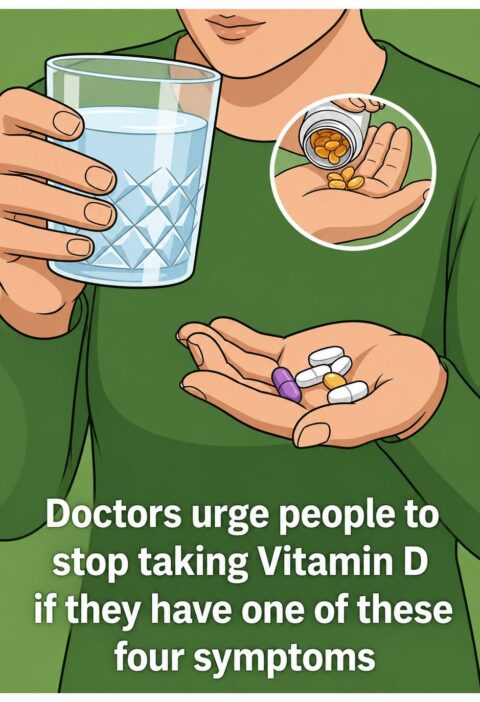
Vitamin D is important for bone health, muscle function, and the immune system, but more is not always better. Pharmacists and healthcare professionals often warn about using high-dose vitamin D supplements without medical guidance.
1. Too Much Vitamin D Can Be Harmful
Excess vitamin D can cause your body to absorb too much calcium, leading to high blood calcium (hypercalcemia).
Symptoms may include:
- Nausea or vomiting
- Constipation
- Excessive thirst
- Frequent urination
- Weakness
- Confusion
In severe cases, it can contribute to kidney problems.
2. Check the Dose
Many multivitamins contain vitamin D, and you may also get it from separate supplements. Accidentally taking multiple products can result in a much higher daily dose than intended.
3. Some People Need More Caution
Talk with your healthcare professional before taking vitamin D if you have:
- Kidney disease
- A history of kidney stones
- Certain conditions that raise calcium levels (such as some parathyroid disorders)
- Certain inflammatory diseases (such as sarcoidosis)
4. Vitamin D Can Interact With Some Medicines
Some medications can affect vitamin D or calcium balance, including:
- Certain diuretics (water pills)
- Some seizure medications
- Certain corticosteroids
- Orlistat (a weight-loss medication)
Ask your pharmacist or healthcare professional if you’re unsure whether your medications interact with vitamin D.
5. Don’t Assume Everyone Needs High-Dose Supplements
Some people have vitamin D deficiency and benefit from supplements, while others already have adequate levels. Whether you need a supplement—and at what dose—depends on factors such as your diet, sun exposure, medical conditions, and sometimes blood test results