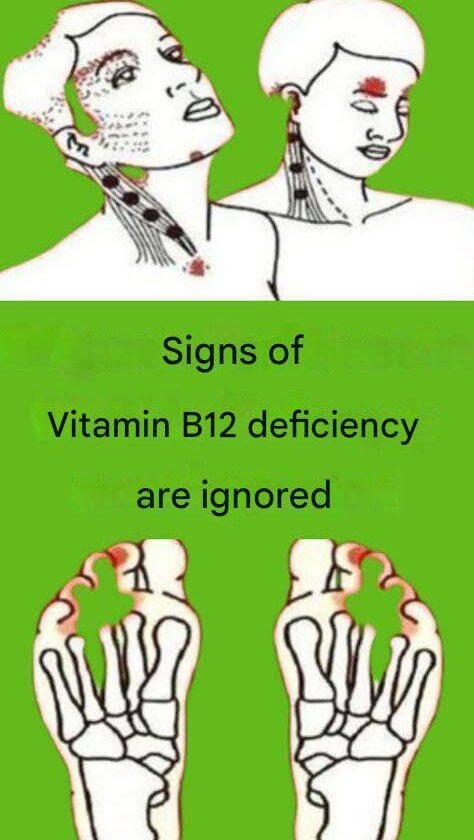
Signs of Vitamin B12 Deficiency That Are Often Ignored
Vitamin B12 is important for red blood cell production, nerve function, and DNA formation. A deficiency can develop slowly, and some symptoms may be mistaken for stress, aging, or other health issues.
1. Unusual tiredness and weakness
- Low B12 can contribute to anemia, which may cause fatigue, low energy, and reduced stamina.
2. Tingling or numbness in hands and feet
- A “pins and needles” feeling or reduced sensation can occur when nerves are affected.
3. Balance problems
- Nerve changes from prolonged deficiency may contribute to unsteadiness or difficulty walking.
4. Memory or concentration problems
- Some people experience brain fog, difficulty focusing, or forgetfulness.
5. Mood changes
- Low B12 levels may be associated with irritability, low mood, or changes in emotional well-being.
6. Pale skin
- B12 deficiency anemia can make the skin appear paler than usual.
7. A sore or swollen tongue
- A smooth, red, painful tongue (glossitis) can occur.
8. Vision changes
- Rarely, nerve problems related to B12 deficiency can affect vision.
9. Loss of appetite or digestive symptoms
- Some people experience reduced appetite, constipation, diarrhea, or stomach discomfort.
10. Muscle weakness
- Nerve and muscle function can be affected when deficiency is significant.
People at higher risk of B12 deficiency include:
- Older adults
- People with certain digestive conditions (such as pernicious anemia or absorption problems)
- People who have had some stomach or intestinal surgeries
- Strict vegans or vegetarians who do not use B12-fortified foods or supplements
- Those taking certain medications that affect B12 absorption (such as long-term metformin or acid-suppressing medicines)
When to get checked:
If you have persistent fatigue, nerve symptoms (numbness/tingling), balance problems, or unexplained cognitive changes, a healthcare professional can check B12 levels with blood tests.
B12 deficiency is often treatable, but long-standing nerve problems may become harder to reverse, so early evaluation is important.