“Navigating Vitamin Habits: Understanding Stroke Risk for Older Adults and Brain Health”
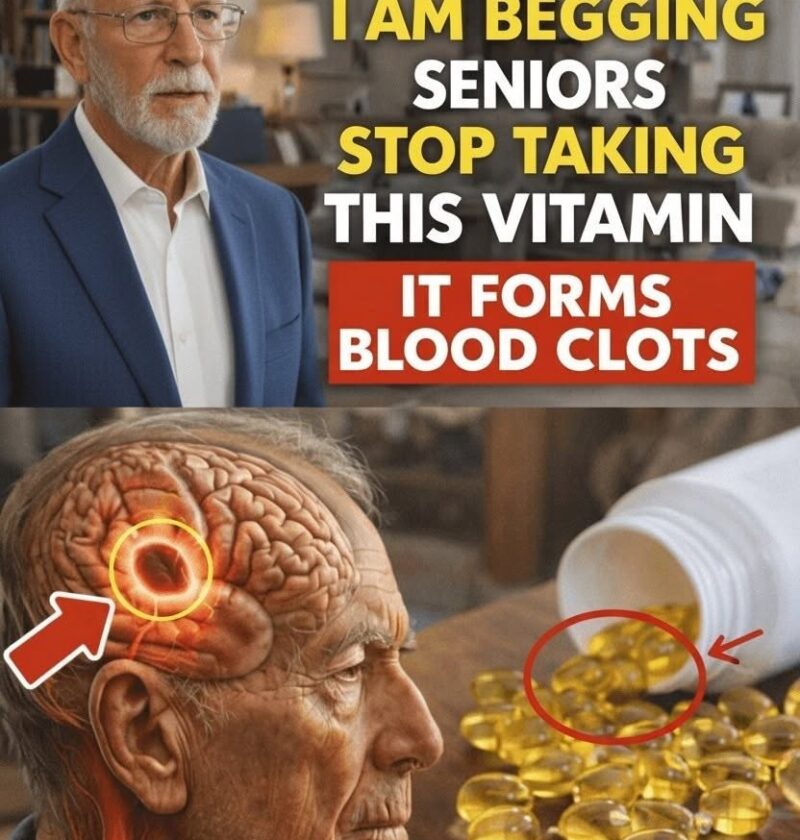
is a health-focused headline that suggests a connection between vitamins, aging, and stroke risk. The relationship is more nuanced: some vitamins support overall brain and cardiovascular health, but taking high-dose supplements without a reason can sometimes be harmful.
Vitamins and nutrients linked to brain and stroke-related health
1. B vitamins (especially B6, B12, and folate)
- These vitamins help regulate homocysteine, a substance that at high levels has been associated with increased cardiovascular risk.
- People with a B12 deficiency may have nerve problems, fatigue, or cognitive changes.
- Supplementation is most helpful when a deficiency exists.
2. Vitamin D
- Adequate vitamin D levels are important for bones, muscles, and overall health.
- Low vitamin D levels have been associated with various health risks, but taking extra vitamin D does not automatically prevent strokes.
3. Vitamin E
- Vitamin E is an antioxidant, but high-dose vitamin E supplements have not been shown to prevent strokes and may increase bleeding risk in some people.
4. Vitamin C
- Supports blood vessel health and immune function.
- A balanced diet with fruits and vegetables is usually the best source.
Supplement habits that may need caution
⚠️ High-dose supplements
More is not always better. Excess amounts of some vitamins can cause problems.
⚠️ Interactions with medications
Some supplements can interact with:
- Blood thinners
- Heart medications
- Blood pressure medications
⚠️ Replacing healthy habits with pills
The strongest evidence for reducing stroke risk comes from:
- Managing blood pressure
- Controlling cholesterol
- Not smoking
- Regular physical activity
- Eating a heart-healthy diet
- Managing diabetes if present
When to consider checking vitamin levels
Older adults may be at higher risk of deficiencies due to:
- Reduced absorption with age
- Limited diet variety
- Certain medications
- Medical conditions
A healthcare professional can determine whether testing or supplementation is appropriate.
The key message: vitamins can support health when there is a need, but they are not a substitute for proven stroke-prevention strategies, and high-dose supplements should be used carefully.