What Is the Normal Blood Pressure for Each Age?
Blood pressure does not have one exact “normal” number for every age. It varies depending on your health, genetics, activity level, medications, and other factors. However, general guidelines can help you understand what is considered healthy.
Blood pressure is measured with two numbers:
- Systolic pressure (top number): The pressure when your heart beats.
- Diastolic pressure (bottom number): The pressure when your heart relaxes between beats.
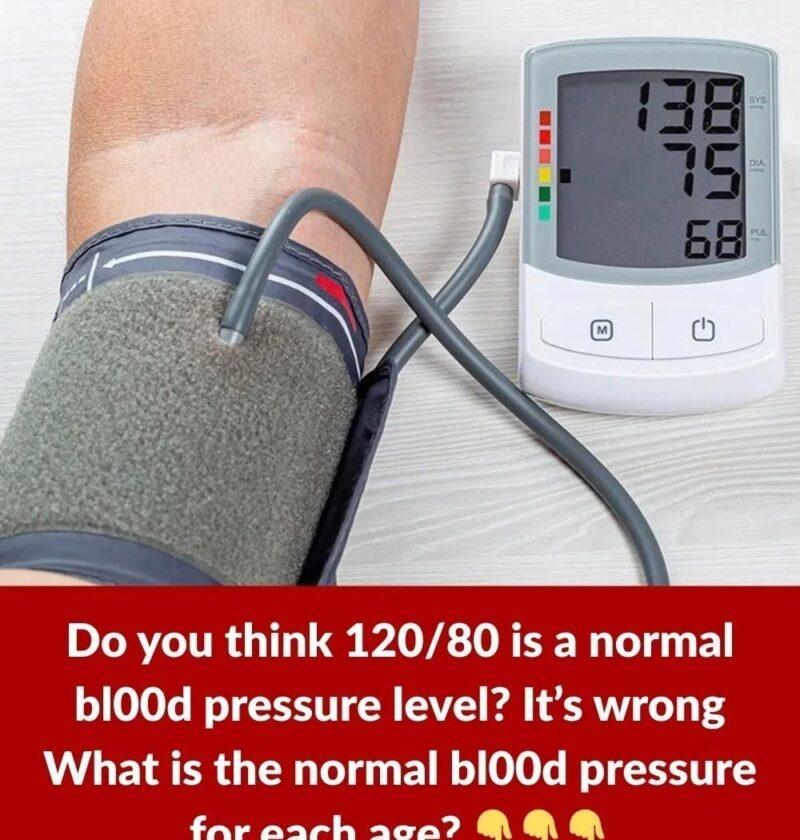
A typical healthy adult blood pressure is often around 120/80 mmHg, but individual targets may differ.
General Blood Pressure Ranges by Age
| Age Group | Typical Healthy Range (Approximate) |
|---|---|
| Children | Varies widely by age, height, and sex |
| Teenagers (13–18) | Around 90–120 / 60–80 mmHg |
| Adults (18–39) | Around 90–120 / 60–80 mmHg |
| Adults (40–59) | Around 90–130 / 60–80 mmHg |
| Adults 60+ | Often around 90–140 / 60–80 mmHg (individual targets vary) |
Blood Pressure Categories for Adults
According to widely used medical guidelines:
Normal
Below 120/80 mmHg
Elevated
120–129 systolic and below 80 diastolic
High Blood Pressure (Stage 1)
130–139 systolic or 80–89 diastolic
High Blood Pressure (Stage 2)
140 or higher systolic or 90 or higher diastolic
Hypertensive Crisis (Seek Urgent Medical Advice)
180 or higher systolic and/or 120 or higher diastolic, especially if accompanied by symptoms such as:
- Chest pain
- Shortness of breath
- Severe headache
- Weakness or numbness
- Confusion
- Vision changes
Why Blood Pressure May Change With Age
As people get older, blood vessels can become less flexible, which may cause systolic blood pressure (the top number) to rise. However, high blood pressure is not an unavoidable part of ageing and should still be monitored and treated when needed.
Factors That Affect Blood Pressure
Your reading can be influenced by:
- Stress or anxiety
- Exercise shortly before measuring
- Caffeine or smoking
- Salt intake
- Sleep quality
- Weight
- Medications
- Hydration
- Illness or pain
How to Get an Accurate Reading
For the most reliable measurement:
- Sit quietly for about 5 minutes before checking.
- Keep both feet flat on the floor.
- Rest your arm at heart level.
- Avoid caffeine, smoking, and exercise for about 30 minutes beforehand.
- Take multiple readings on different days rather than relying on one measurement.
When to Talk to a Healthcare Professional
Speak with a doctor if:
- Your readings are consistently above 130/80 mmHg.
- Your blood pressure is much higher or lower than usual.
- You have symptoms such as dizziness, fainting, chest pain, or severe headaches.