Aneurysm: Signs You Shouldn’t Ignore
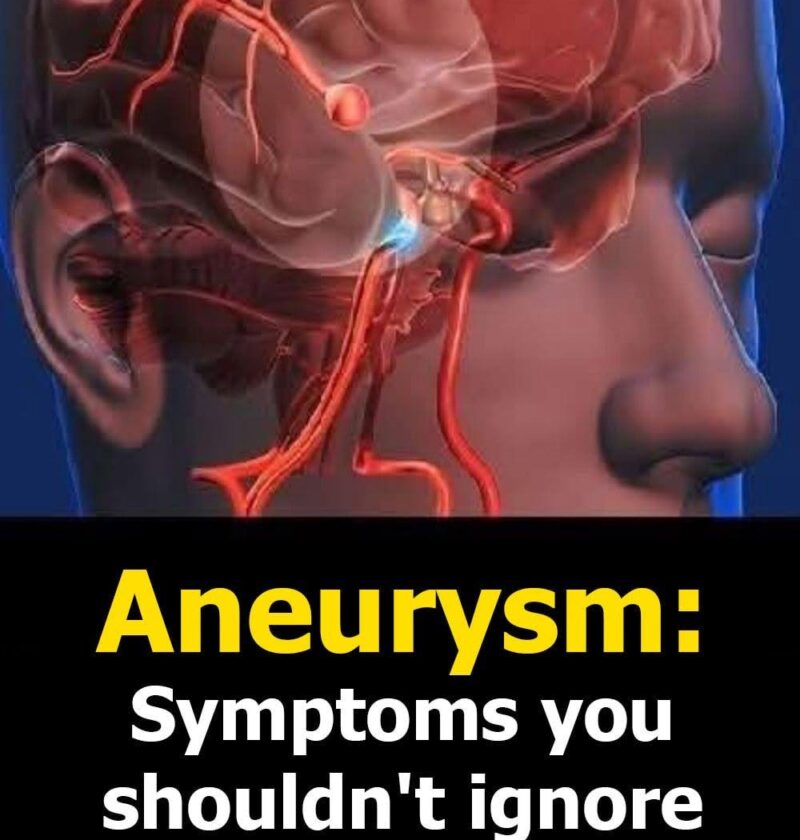
An aneurysm is a weak spot in the wall of a blood vessel that causes it to bulge or balloon outward. Many aneurysms cause no symptoms and are discovered by chance, but if one grows, leaks, or ruptures, it can become a life-threatening emergency.
Knowing the warning signs can help you seek medical attention quickly.
What Is an Aneurysm?
Aneurysms most commonly occur in:
- The brain (cerebral aneurysm)
- The aorta (the body’s largest artery, in the chest or abdomen)
- Less commonly, other blood vessels
A rupture can cause severe internal bleeding or bleeding around the brain, depending on where the aneurysm occurs.
Warning Signs of a Brain Aneurysm
Many unruptured brain aneurysms have no symptoms. However, a larger aneurysm may cause:
- A sudden, severe headache that feels like the “worst headache of your life”
- Pain above or behind the eye
- Blurred or double vision
- Drooping eyelid
- Enlarged pupil
- Numbness or weakness on one side of the face or body
- Difficulty speaking
- Seizures
Emergency warning:
A sudden, explosive headache—especially if it reaches maximum intensity within seconds—requires immediate emergency care, as it can be a sign of a ruptured aneurysm.
Warning Signs of an Aortic Aneurysm
Abdominal Aortic Aneurysm (AAA)
Some people have no symptoms. Possible signs include:
- A deep, constant pain in the abdomen or side
- A pulsing feeling near the belly button
- Back pain that does not go away
Thoracic Aortic Aneurysm (Chest Area)
Possible symptoms include:
- Chest pain
- Upper back pain
- Shortness of breath
- Difficulty swallowing
- Hoarseness or coughing
Signs of a Possible Rupture (Medical Emergency)
Call emergency services immediately if you experience:
- Sudden, severe chest, back, or abdominal pain
- Fainting or dizziness
- Rapid heartbeat
- Low blood pressure symptoms
- Trouble breathing
- Sudden neurological symptoms such as weakness, confusion, or loss of consciousness
Who Is at Higher Risk?
Risk factors can include:
- High blood pressure
- Smoking or past smoking
- Older age
- Family history of aneurysms
- Certain inherited conditions affecting connective tissue
- High cholesterol and artery disease
- Previous blood vessel problems
Can an Aneurysm Be Prevented?
Not all aneurysms can be prevented, but you can reduce risk by:
- Keeping blood pressure under control
- Avoiding smoking
- Exercising regularly
- Eating a heart-healthy diet
- Managing cholesterol levels
- Attending recommended health screenings if you are at higher risk
When Should You Get Checked?
Talk with a healthcare professional if you have risk factors, especially if you have:
- A strong family history of aneurysms
- Long-term high blood pressure
- A history of smoking
- Symptoms that are new, unusual, or persistent