15 Potential Warning Signs of a Transient Ischemic Attack (TIA) You Might Be Overlooking
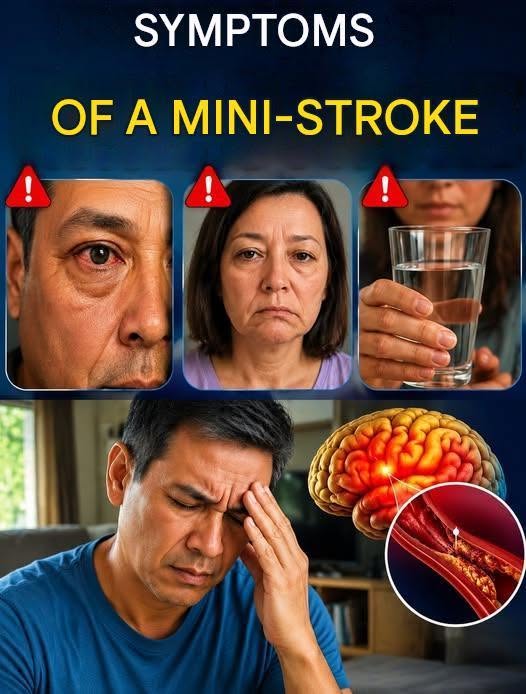
A transient ischemic attack (TIA), sometimes called a “mini-stroke,” occurs when blood flow to part of the brain is temporarily interrupted. Symptoms may last only a few minutes and then disappear, but a TIA can be an important warning sign of a possible future stroke.
1. Sudden weakness on one side of the body
- Weakness, heaviness, or loss of strength in the face, arm, or leg—especially on one side.
2. Facial drooping
- One side of the face may sag or feel numb, especially when smiling.
3. Trouble speaking
- Slurred speech, difficulty finding words, or speech that sounds unusual.
4. Difficulty understanding speech
- Trouble following conversations or understanding what others are saying.
5. Sudden numbness or tingling
- Loss of feeling or unusual sensations, especially affecting one side of the body.
6. Temporary vision problems
- Blurred vision, double vision, or sudden loss of vision in one or both eyes.
7. Sudden dizziness or loss of balance
- Feeling unsteady, having trouble walking, or poor coordination.
8. Sudden severe headache
- An unusual headache that appears suddenly, especially with other neurological symptoms.
9. Clumsiness or loss of coordination
- Dropping objects, difficulty using a hand, or struggling with normal movements.
10. Confusion or sudden mental changes
- New confusion, disorientation, or difficulty thinking clearly.
11. Trouble swallowing
- New difficulty moving food or liquids safely.
12. Brief episodes of weakness that disappear
- Symptoms that resolve quickly can still be a warning sign and should not be ignored.
13. Memory or awareness changes
- A sudden period of unusual forgetfulness or reduced awareness.
14. Difficulty performing familiar tasks
- Problems completing actions that are normally easy, such as writing, dressing, or using objects.
15. A sudden “something is wrong” neurological episode
- Any abrupt, unexplained change involving speech, movement, vision, sensation, or coordination deserves attention.
Remember the FAST warning signs:
- F — Face: Is one side of the face drooping?
- A — Arms: Is one arm weak or numb?
- S — Speech: Is speech strange or slurred?
- T — Time: Call emergency services immediately.
Even if symptoms go away, a TIA can require urgent medical evaluation because it may indicate a higher risk of stroke. If you or someone else develops sudden stroke-like symptoms, seek emergency care right away.