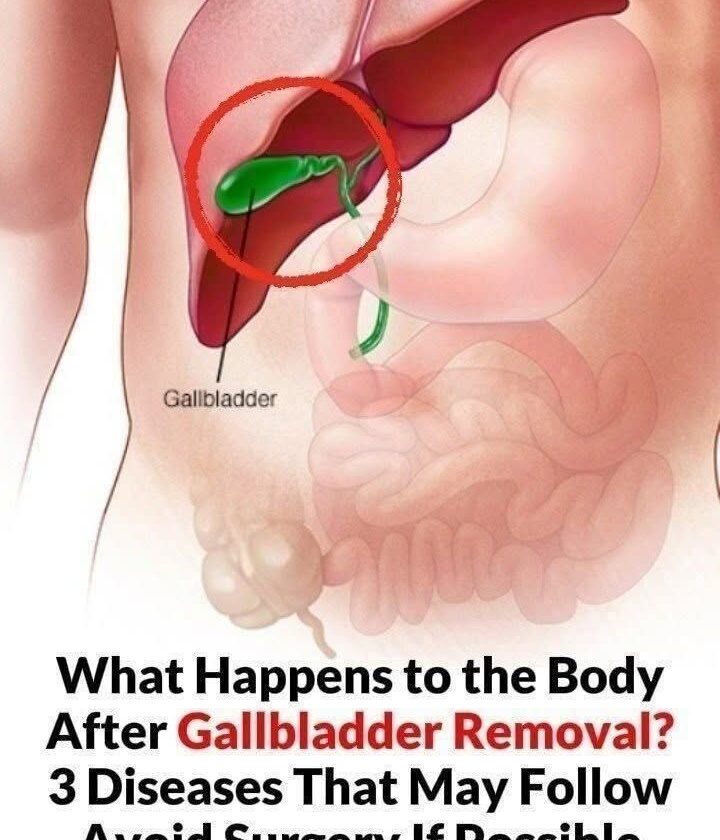
The claim “After gallbladder removal: 3 conditions you could develop — why you should avoid the surgery when possible” is a common type of health headline, but it needs context. Gallbladder removal (cholecystectomy) is one of the most common surgeries and is generally considered safe and effective when it is recommended for problems such as repeated gallstones, gallbladder inflammation, or complications. Avoiding surgery is not always the best choice because untreated gallbladder disease can also lead to serious problems.
Some possible issues that can occur after gallbladder removal include:
- Post-cholecystectomy digestive symptoms
- Some people develop diarrhea, bloating, gas, or discomfort after eating fatty foods.
- This happens because bile flows continuously into the intestine instead of being stored and released from the gallbladder during meals.
- Bile acid diarrhea
- In some people, excess bile acids reach the colon and irritate it, causing frequent or watery stools.
- This condition can often be treated with medications that bind bile acids.
- Changes in digestion or food tolerance
- Some people notice they have more difficulty with large, high-fat meals and may need dietary adjustments.
- Many people, however, return to a normal diet after recovery.
Why doctors may still recommend removal:
A diseased gallbladder can cause recurrent pain attacks, infections, blocked bile ducts, pancreatitis, or other complications. For people with symptomatic gallstones or serious gallbladder disease, the benefits of surgery often outweigh the risks.
When surgery may be avoidable:
- Gallstones that cause no symptoms often do not require surgery.
- Mild symptoms may sometimes be managed with medical guidance, diet changes, and monitoring.
- The decision depends on symptoms, imaging findings, overall health, and risk of complications.
If you’re considering gallbladder surgery, useful questions to ask your surgeon include:
- “What happens if I delay or avoid surgery?”
- “What is my risk of another attack or complication?”
- “Are there non-surgical options in my specific case?”
If you share why gallbladder removal was recommended (stones, pain attacks, infection, polyps, etc.) and your age/health situation, I can help explain the typical options.