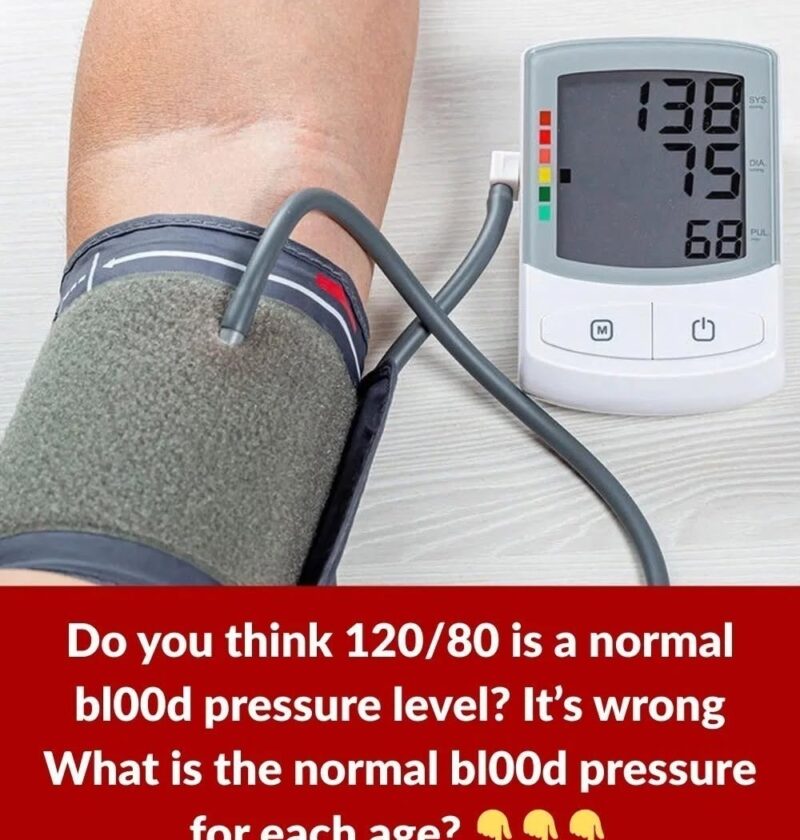
What Is a Normal Blood Pressure for Each Age?
A common myth is that blood pressure should naturally rise with age. While blood pressure often does increase as people get older, there isn’t a different “normal” blood pressure for every age group.
For most adults, the general target is:
- Less than 120/80 mmHg: Optimal
- 120–129/<80 mmHg: Elevated
- 130–139 or 80–89 mmHg: High blood pressure (hypertension) in many clinical guidelines
- 140/90 mmHg or higher: High blood pressure that usually warrants medical evaluation or treatment, depending on the individual
Typical Blood Pressure Ranges
| Age | Typical Healthy Blood Pressure* |
|---|---|
| 18–39 years | Around 120/80 mmHg or lower |
| 40–59 years | Ideally below 120/80 mmHg; many people remain healthy below 130/80 mmHg |
| 60 years and older | The goal is often still below 130/80 mmHg for many people, but targets may be individualised based on overall health, medications, and risk of side effects |
*These are general guidelines. Your healthcare professional may recommend a different target based on your medical history.
When Blood Pressure Is Too Low
Low blood pressure is generally considered to be below 90/60 mmHg, but it is only a concern if it causes symptoms such as:
- Dizziness
- Fainting
- Blurred vision
- Weakness
Some healthy people naturally have low blood pressure without any problems.
Tips for Maintaining Healthy Blood Pressure
- Eat a balanced diet rich in fruits, vegetables, and whole grains.
- Limit salt if advised by your healthcare professional.
- Stay physically active.
- Maintain a healthy weight.
- Avoid smoking.
- Limit alcohol.
- Take prescribed blood pressure medicines as directed.
When to Seek Medical Care
Seek urgent medical attention if you have very high blood pressure (for example, 180/120 mmHg or higher) together with symptoms such as:
- Chest pain
- Shortness of breath
- Severe headache
- Vision changes
- Confusion
- Weakness or numbness on one side of the body
These symptoms may indicate a medical emergency.