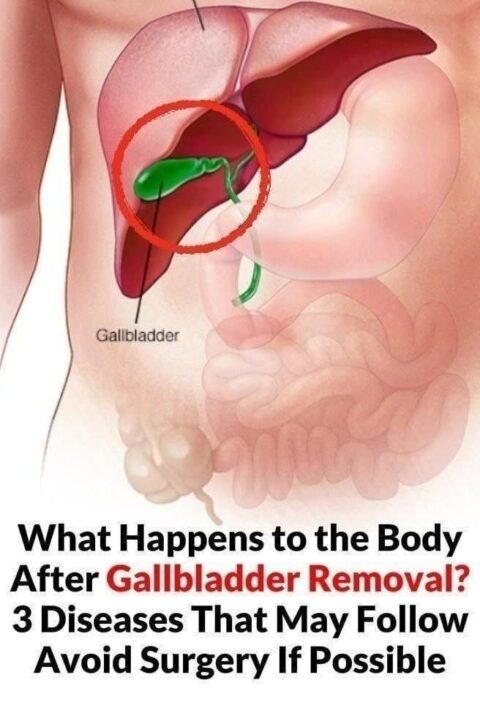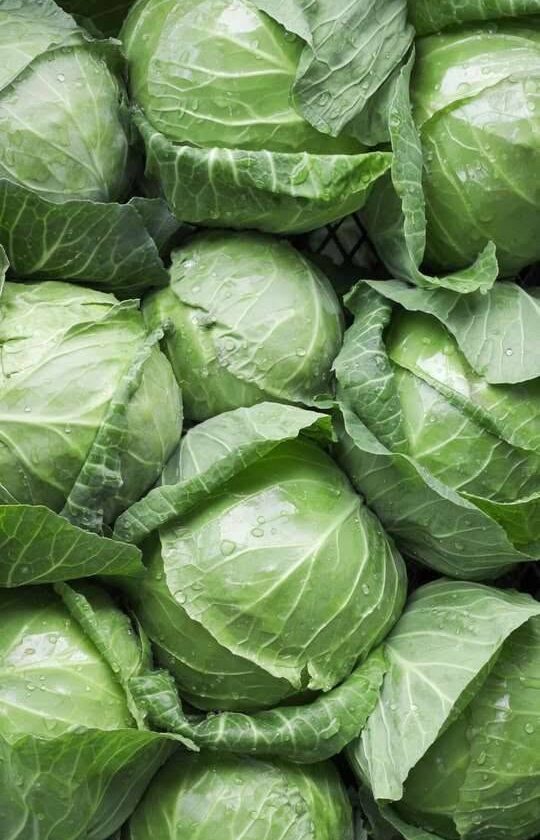
The headline “Doctors reveal that eating cabbage causes…” is a typical clickbait phrase that leaves out the conclusion. In reality, cabbage is generally considered a healthy vegetable and is not known to cause harm for most people.
Eating cabbage may cause some effects, including:
🥬 1. Gas and bloating
- Cabbage contains fibre and carbohydrates called FODMAPs, which can be fermented by gut bacteria.
- Some people, especially those with irritable bowel syndrome (IBS), may feel bloated or gassy after eating it.
🥬 2. Changes in bowel habits
- Its fibre content can help constipation, but suddenly eating large amounts may cause cramps or changes in stool frequency.
🥬 3. Possible thyroid concerns (in specific situations)
- Cabbage is a cruciferous vegetable and contains compounds called goitrogens.
- Eating very large amounts of raw cruciferous vegetables may affect thyroid function in people with existing thyroid problems, especially if iodine intake is low.
- Normal servings of cooked cabbage are generally not a concern for most people.
🥬 4. Vitamin K interactions
- Cabbage contains vitamin K, which is important for blood clotting.
- People taking warfarin or similar anticoagulants should keep vitamin K intake consistent and discuss major diet changes with their healthcare professional.
Benefits of cabbage
Cabbage provides:
- Fibre for digestive health
- Vitamin C for immune function
- Vitamin K for bone and blood health
- Antioxidants that help protect cells
Bottom line: For most people, cabbage is a nutritious food. The “hidden danger” claims usually exaggerate uncommon situations. If you have a thyroid condition, take blood thinners, or notice digestive symptoms after eating cabbage, it’s worth discussing your diet with a healthcare professional.