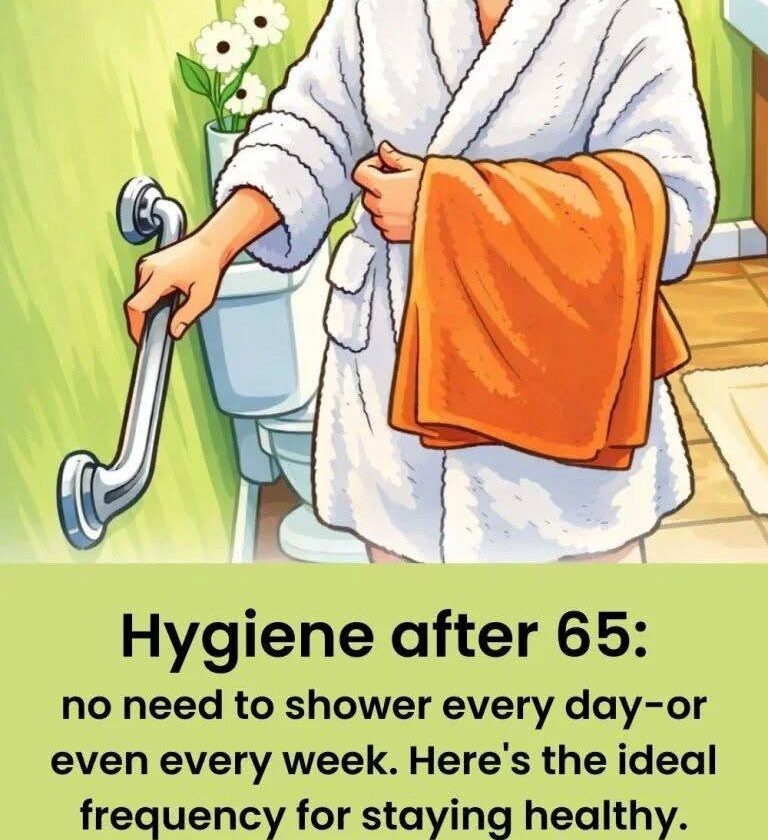
Why frequent showers may cause problems for some older adults
🚿 1. Dry, itchy skin
- Skin naturally produces less oil as we age.
- Hot water and frequent washing can remove protective oils, leading to dryness, flaking, and itching.
🧴 2. Weakened skin barrier
- Harsh soaps, strong fragrances, and scrubbing can irritate the skin and make it more sensitive.
🦠 3. Changes to the skin’s natural microbes
- Over-washing may disturb the normal balance of microorganisms that help protect the skin.
🌡️ 4. Hot showers and dizziness
- Very hot water can cause blood vessels to widen, which may contribute to light-headedness in some people and increase fall risk when getting out of the shower.
💧 5. Higher risk of irritation
- People with eczema, very dry skin, diabetes-related skin problems, or certain medications may be more prone to skin issues.
Does this mean older adults should stop showering daily?
No. The best routine depends on:
- Skin type
- Activity level
- Sweating
- Climate
- Personal preference
- Medical conditions
Many people do well with short, warm (not hot) showers, using gentle cleansers and moisturising afterwards.
Tips for healthier showering after 65
✅ Use warm water instead of very hot water
✅ Keep showers reasonably short
✅ Use mild, fragrance-free soap or cleanser
✅ Avoid vigorous scrubbing
✅ Apply moisturiser while skin is still slightly damp
✅ Pay extra attention to areas that need washing (such as underarms, groin, feet) rather than aggressively washing all skin daily
Bottom line
The problem is usually not showering itself—it is overly hot water, harsh products, and stripping the skin of its natural oils. A comfortable hygiene routine that protects the skin barrier is usually the best approach.