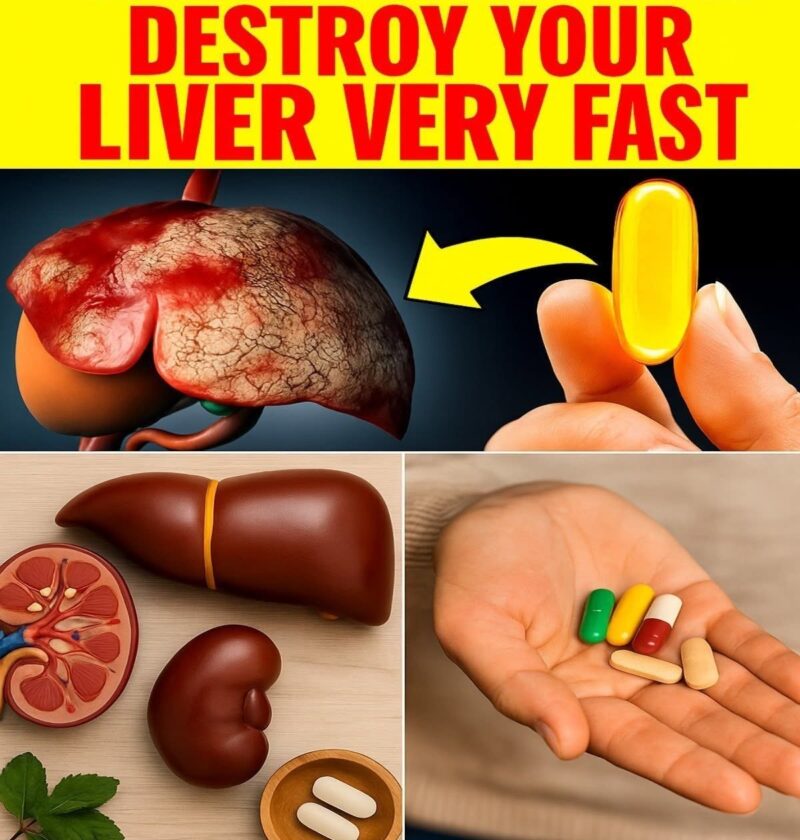
9 Vitamins & Supplements That May Affect Your Liver and Kidneys If Misused
Vitamins and supplements can support health when used appropriately, but “more” is not always better. Some nutrients can put stress on the liver or kidneys when taken in high doses, combined with certain medications, or used by people with existing health conditions.
Here are some supplements that deserve caution:
1. Vitamin A (especially high-dose forms)
- Excess vitamin A can accumulate in the body.
- Very high doses have been linked to liver damage and other problems.
- Risk is higher with supplements than with normal food sources.
2. Vitamin D
- Vitamin D is important for bone health, but excessive supplementation can raise calcium levels.
- Too much calcium in the blood can contribute to kidney stones and kidney problems.
3. Vitamin E
- High doses may increase bleeding risk, especially with blood-thinning medications.
- Some studies have raised concerns about taking large amounts without medical guidance.
4. Vitamin B3 (Niacin)
- High-dose niacin supplements used for cholesterol purposes can affect the liver.
- Prescription-strength doses require medical monitoring.
5. Vitamin C (high doses)
- Large amounts of vitamin C supplements may increase the risk of kidney stones in some people.
- People with kidney disease should discuss supplement use with a healthcare professional.
6. Herbal supplements
Some herbal products can affect the liver or interact with medicines. Examples that have been associated with liver concerns in some cases include:
- Kava
- Certain concentrated green tea extracts
- Some multi-ingredient weight-loss products
7. Protein supplements (when excessive)
- Very high protein intake may be a concern for people with existing kidney disease.
- Healthy individuals may tolerate normal amounts, but needs vary.
8. Mineral supplements (such as iron)
- Excess iron can accumulate and damage organs, including the liver.
- Iron supplements should generally be taken when deficiency is confirmed or recommended.
9. “Detox” or bodybuilding supplements
- Some products contain multiple ingredients, and the safety of combinations may not always be clear.
- Contamination or undisclosed ingredients have been concerns with some supplement categories.
Tips for Safer Supplement Use
✅ Check with a healthcare professional if you have kidney disease, liver disease, or take regular medications.
✅ Avoid taking multiple products with overlapping ingredients.
✅ Follow the recommended dose on the label.
✅ Choose products from reputable manufacturers.
✅ Remember that supplements are meant to supplement a healthy diet, not replace it.
Seek medical advice if you notice:
- Yellowing of the skin or eyes
- Dark urine
- Unusual fatigue
- Persistent nausea
- Abdominal pain
- Changes in urination
The safest supplement plan depends on your age, diet, health conditions, and medications—not just the nutrient listed on the bottle.