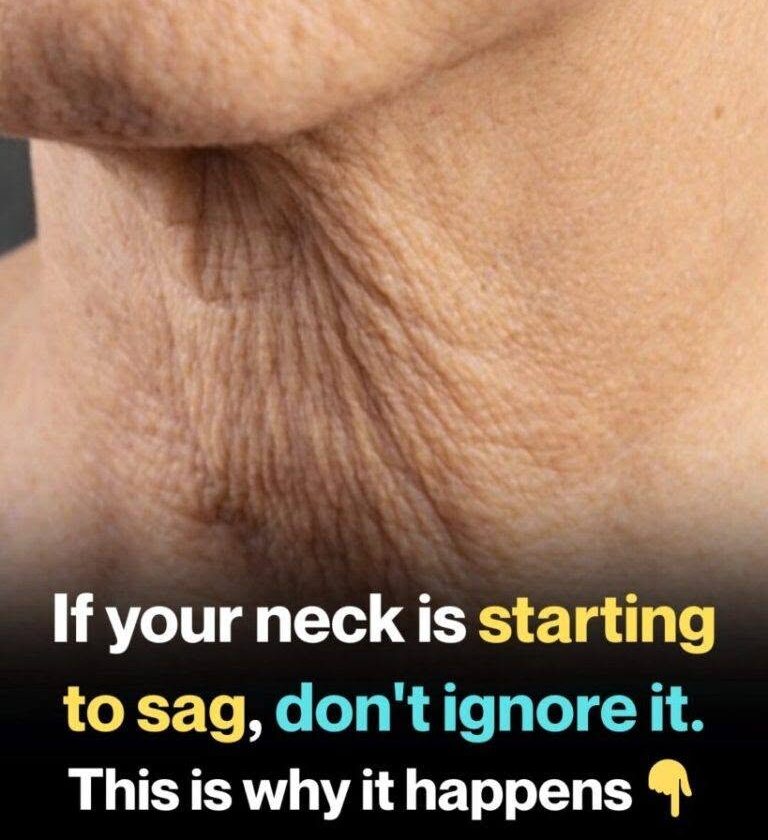
Why Neck Skin Sags as You Age — And What You Can Do About It
Sagging neck skin is a common part of aging, but it’s influenced by several factors—not just getting older.
Why it happens
1. Loss of collagen and elastin
- As you age, your body produces less collagen and elastin, the proteins that keep skin firm and stretchy.
- This causes the skin to become thinner and less elastic.
2. Muscle changes
- The neck muscles and supporting tissues can weaken over time, contributing to a looser appearance.
3. Sun exposure
- Years of ultraviolet (UV) exposure can break down collagen and elastin, speeding up skin aging.
4. Weight changes
- Losing a significant amount of weight can leave behind loose skin, especially if the skin has been stretched for a long time.
5. Genetics
- Some people naturally develop sagging skin earlier or more noticeably than others.
What may help
- Use sunscreen daily to help protect collagen from UV damage.
- Moisturize regularly to improve skin hydration and make fine lines less noticeable.
- Avoid smoking, which accelerates skin aging.
- Eat a balanced diet with adequate protein, fruits, and vegetables to support overall skin health.
- Exercise regularly to help maintain muscle tone and overall health.
Cosmetic options
Depending on the degree of sagging, treatments may include:
- Topical retinoids (recommended by a healthcare professional)
- Laser or radiofrequency treatments
- Ultrasound-based skin tightening
- Injectable treatments
- Surgical neck lift for more significant sagging
Results vary, and no cream or exercise has been proven to completely reverse loose neck skin.
A realistic expectation
Neck skin naturally changes with age, and while healthy habits can help slow these changes and improve skin appearance, they cannot completely prevent or reverse the aging process. If sagging develops suddenly, is accompanied by a lump, pain, or other unusual symptoms, it’s a good idea to have it evaluated by a healthcare professional.