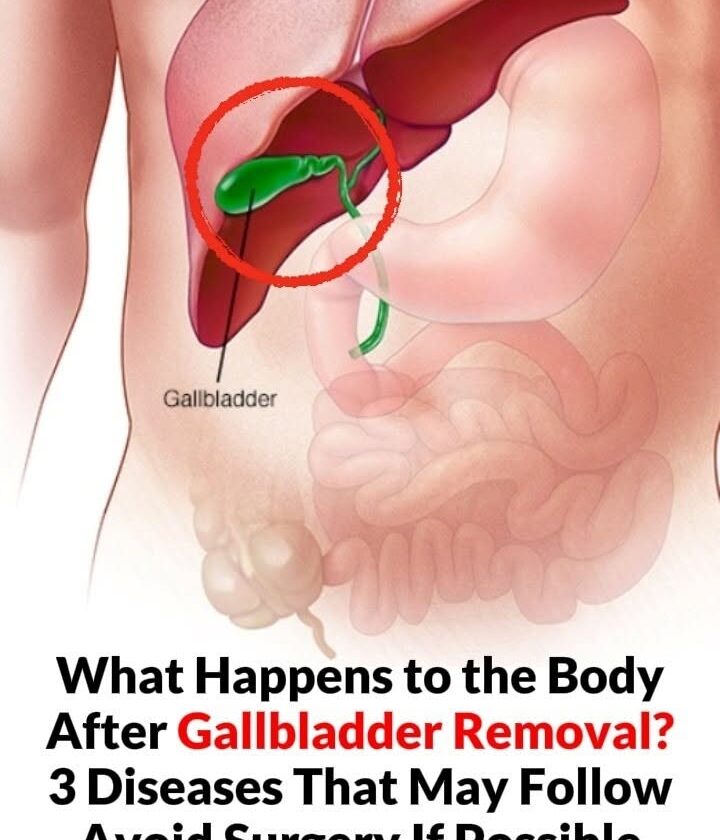
Gallbladder removal (cholecystectomy) is one of the most common abdominal surgeries. The idea that it should always be avoided is not accurate—for many people with painful gallstones, repeated attacks, infection, or complications, surgery can prevent more serious problems. However, it is true that some people experience digestive changes afterward.
What can happen after gallbladder removal?
1. Diarrhea and changes in bowel habits
After the gallbladder is removed, bile flows continuously from the liver into the intestine instead of being stored and released during meals.
Some people may experience:
- Loose stools
- More frequent bowel movements
- Urgency after eating
What may help:
- Eat smaller meals
- Increase fiber gradually
- Reduce very fatty or greasy foods if they trigger symptoms
2. Bloating, gas, and indigestion
Some people notice:
- Fullness after meals
- Gas
- Discomfort after eating high-fat foods
These symptoms often improve with time and dietary adjustments.
3. Persistent or new abdominal symptoms (less common)
A small number of people may have ongoing symptoms such as:
- Abdominal pain
- Nausea
- Digestive discomfort
Possible causes include remaining bile duct stones, bile duct problems, or other digestive conditions that were not caused by the gallbladder.
Should you avoid gallbladder surgery?
It depends on the situation:
Often, surgery may not be needed for:
- Gallstones found by chance with no symptoms
Surgery is commonly recommended for:
- Repeated painful gallstone attacks
- Gallbladder inflammation (cholecystitis)
- Blocked bile ducts
- Pancreatitis caused by gallstones
- Certain gallbladder complications
If you are trying to protect gallbladder health:
- Maintain a healthy weight (avoid rapid weight loss)
- Eat a balanced diet with adequate fiber