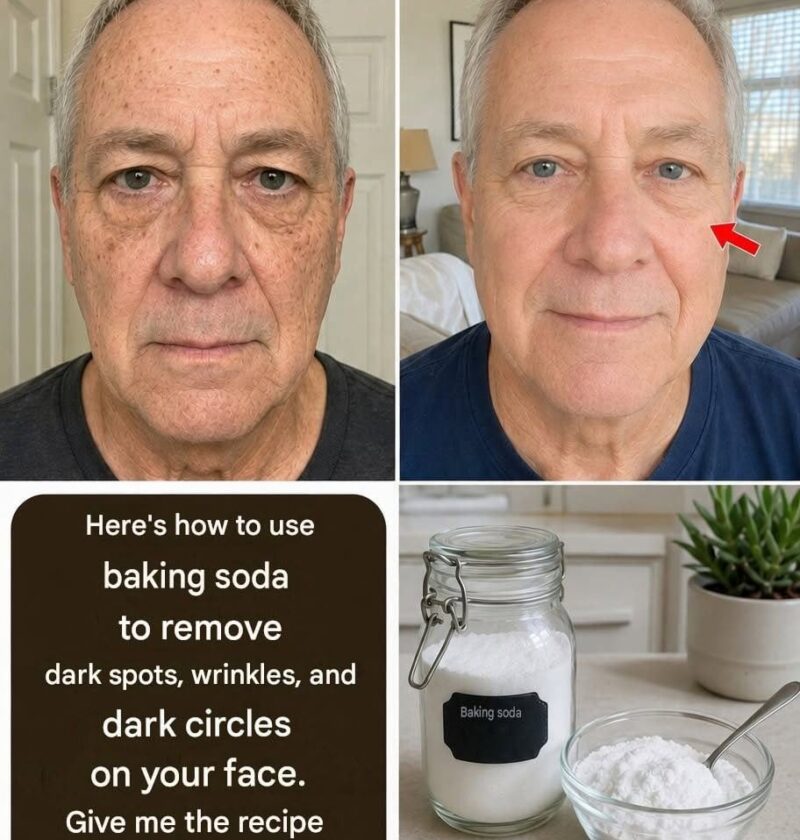
Baking Soda on the Face: Benefits, Risks, and How to Use It Safely
Baking soda (sodium bicarbonate) is a common household ingredient that is sometimes used in DIY skincare. While it may have some limited uses, it is not a proven anti-aging treatment, acne cure, or replacement for dermatologist-recommended products.
Possible benefits
1. Gentle cleansing (with caution)
Baking soda has a fine texture that can act as a physical exfoliant, helping remove surface buildup. However, it can be too harsh for many faces.
2. Temporary oil reduction
Because it is alkaline and absorbent, it may temporarily reduce the feeling of oiliness, but it does not treat the underlying causes of oily skin.
3. Deodorizing properties
Baking soda can reduce odors, but facial skin is more sensitive than areas where it is commonly used (such as underarms).
Risks of using baking soda on the face
1. Skin barrier damage
Healthy skin is naturally slightly acidic. Baking soda is alkaline, and frequent use may disrupt the skin barrier, causing:
- Dryness
- Burning
- Redness
- Increased sensitivity
2. Irritation and breakouts
Harsh exfoliation can irritate skin and may worsen acne or inflammation in some people.
3. Uneven results
Baking soda does not have strong evidence for:
- Removing wrinkles
- Lightening dark spots
- Treating acne scars
- Tightening skin
How to use it more safely
If you choose to try baking soda:
- Avoid using it daily.
- Do a patch test on a small area first.
- Do not scrub aggressively.
- Avoid using it on irritated, broken, sunburned, or eczema-prone skin.
- Stop if you feel burning, itching, or prolonged redness.
- Use sunscreen during the day, especially if your skin becomes sensitive.
Gentler DIY alternatives
Instead of harsh baking soda mixtures, consider:
1. Oatmeal soothing mask
- Finely ground plain oats
- Water or plain yogurt to make a paste
- Apply briefly and rinse gently