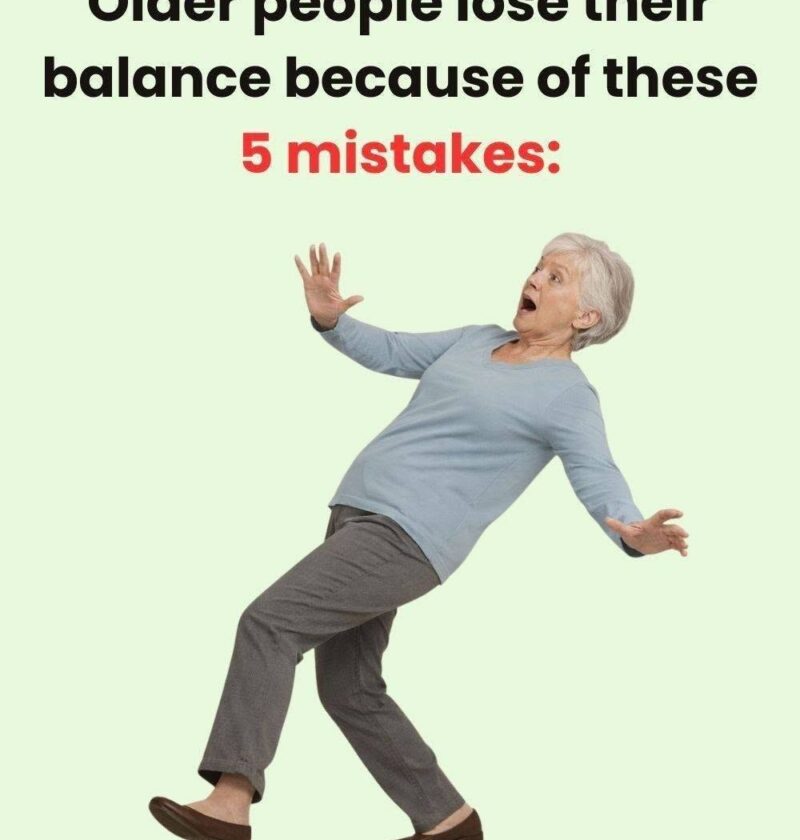
Common Mistakes That Affect Balance in Older Adults
Balance often changes with age due to factors like muscle strength, vision, joint flexibility, medications, and changes in the nervous system. Some everyday habits can increase the risk of losing balance or falling.
1. Not Exercising Regularly
Avoiding movement can lead to weaker leg muscles and reduced coordination, making it harder to stay steady.
2. Ignoring Vision Problems
Poor vision can make it harder to judge steps, obstacles, and uneven surfaces. Regular eye checks can help.
3. Wearing Unsafe Footwear
Loose slippers, high heels, or shoes without good grip can increase the chance of slipping or tripping.
4. Rushing While Walking or Standing Up
Getting up quickly from a chair or bed may cause dizziness, especially if blood pressure drops with position changes.
5. Clutter and Unsafe Home Environments
Loose rugs, poor lighting, electrical cords, and slippery floors can create fall hazards.
6. Not Training Balance and Strength
Many people focus only on walking but skip exercises that improve balance, leg strength, and flexibility.
7. Ignoring Medication Side Effects
Some medicines can cause dizziness, drowsiness, or low blood pressure. Medication reviews with a healthcare professional can help identify risks.
8. Poor Hydration and Nutrition
Dehydration or inadequate nutrition can contribute to weakness, fatigue, and dizziness.
9. Avoiding Activity Because of Fear of Falling
Too much inactivity can reduce strength and confidence, which may further affect balance.
Helpful Habits for Better Balance
- Practice strength and balance exercises suited to your ability.
- Keep pathways clear and well-lit.
- Have regular vision and hearing checks.
- Rise slowly from sitting or lying positions.
- Use assistive devices if recommended by a healthcare professional.
If balance problems are new, worsening, or associated with dizziness, fainting, weakness, or falls, it’s important to seek medical advice.