New Methods May Make Colon Examinations Less Invasive: What You Should Know
The idea that “colonoscopy will no longer be an invasive examination” is an oversimplification. Traditional colonoscopy is still widely used because it allows doctors to directly examine the colon and remove polyps during the same procedure, which can help prevent colorectal cancer.
However, medical technology is developing less invasive alternatives that may reduce the need for some traditional colonoscopies.
Newer and less invasive screening options
1. Stool-based tests
These tests look for signs of colorectal cancer or precancerous changes in stool.
Examples include:
- Fecal immunochemical test (FIT) — detects hidden blood in stool
- Stool DNA tests — look for certain genetic changes and blood markers
Advantages:
- Done at home
- No bowel scope required
- No sedation needed
Limitations:
- If results are abnormal, a colonoscopy is usually still needed.
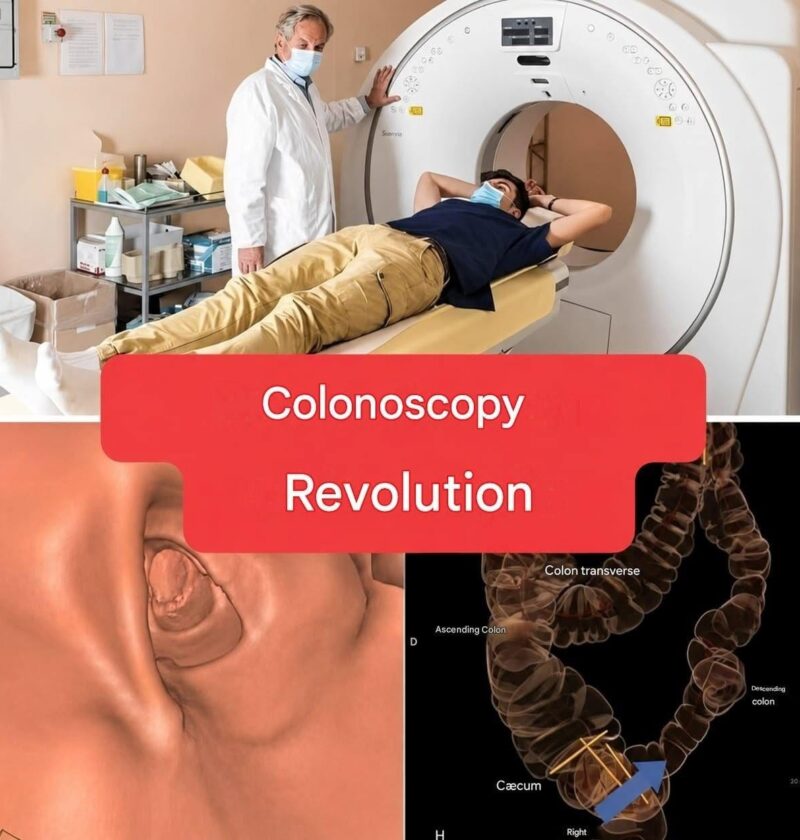
2. CT colonography (“virtual colonoscopy”)
This uses CT imaging to create pictures of the colon.
Advantages:
- No flexible camera inserted through the entire colon
- Usually no sedation
Limitations:
- Still requires bowel preparation
- Cannot remove polyps; a traditional colonoscopy may be needed afterward
3. Capsule-based colon imaging
Some technologies use a swallowable capsule containing a tiny camera to capture images as it passes through the digestive tract.
Potential benefits:
- Less invasive
- No traditional scope insertion
Limitations:
- Availability varies
- It may not replace colonoscopy for detecting and removing all types of abnormalities
Why colonoscopy remains important
A colonoscopy can:
- Find cancer early
- Detect precancerous polyps
- Remove certain polyps immediately
- Investigate symptoms such as unexplained bleeding or changes in bowel habits