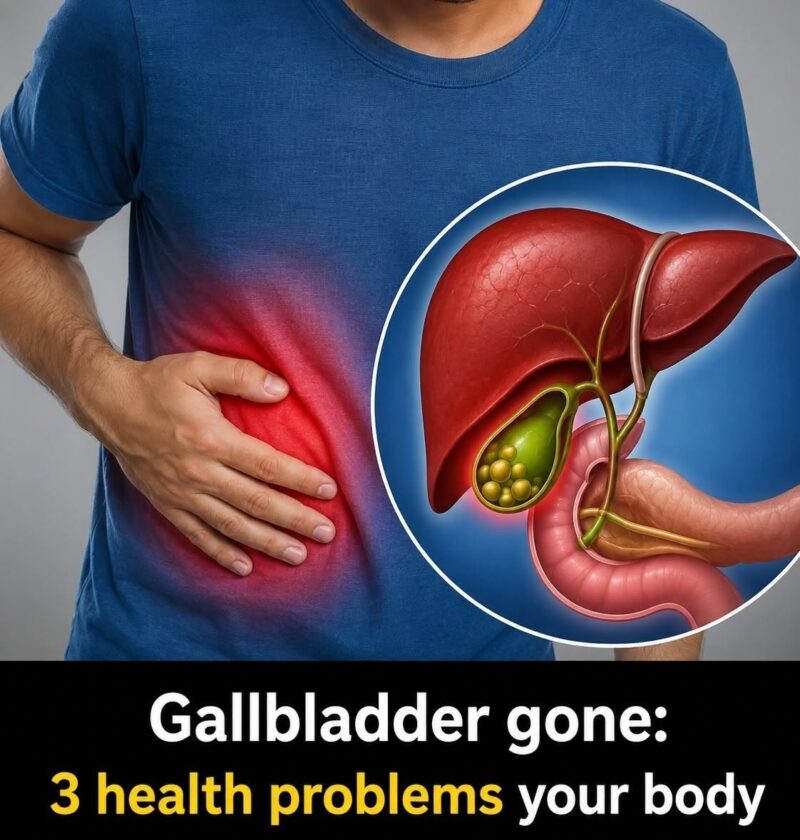
What Happens to the Body After Gallbladder Removal? Are There Risks?
The claim “Avoid gallbladder surgery if possible because 3 diseases may follow” is an oversimplification. Gallbladder removal (cholecystectomy) is a common and generally safe procedure, and for many people it is the best treatment for painful or dangerous gallbladder problems such as repeated gallstones, inflammation, or infection.
The gallbladder is not essential for survival. Its main job is to store bile made by the liver. After removal, bile flows directly from the liver into the small intestine.
Possible changes after gallbladder removal
1. Digestive changes
Some people notice:
- Loose stools or diarrhea (especially after fatty meals)
- Bloating or gas
- Difficulty digesting very large or greasy meals
These symptoms are often temporary, but some people have longer-term changes.
2. Bile-related diarrhea
Without a gallbladder, bile enters the intestine more continuously. In some people, excess bile can irritate the colon and cause frequent watery stools. This can often be managed with diet changes or medication.
3. Changes in digestion of fats
The body can still digest fat, but some people feel better by:
- Eating smaller meals
- Reducing very fatty foods
- Increasing fiber gradually
Are there serious diseases caused by gallbladder removal?
Research does not show that gallbladder removal automatically causes major diseases. However, some possible associations have been studied, including:
- Changes in bowel habits
- A small increased risk of bile reflux in some people
- Possible associations with metabolic changes in certain populations
These risks vary and do not mean surgery should be avoided when it is medically needed.
When gallbladder removal is usually recommended
Doctors commonly recommend surgery for:
- Repeated painful gallstone attacks
- Gallbladder inflammation (cholecystitis)
- Blocked bile ducts
- Certain gallbladder complications