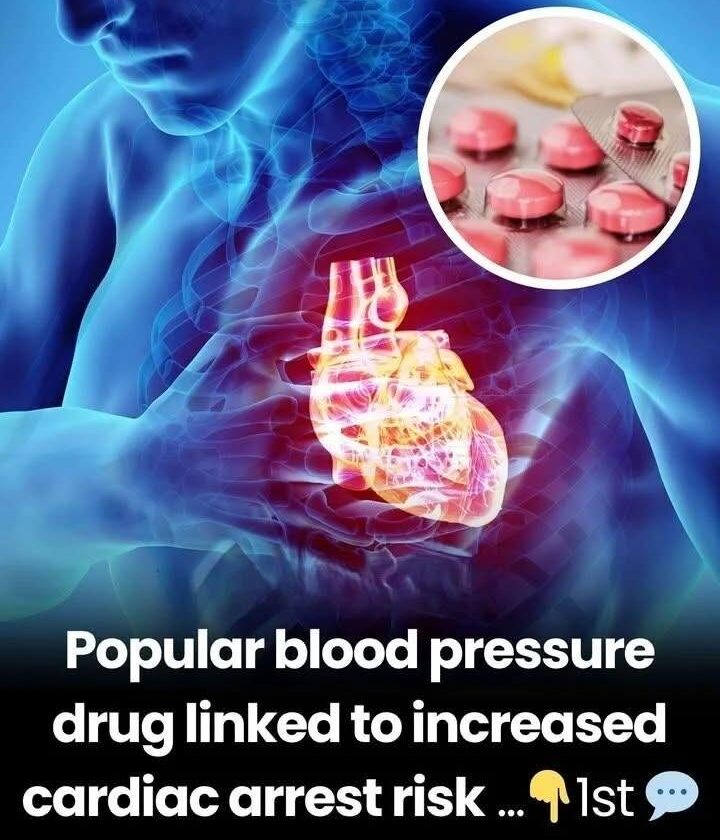
Popular Blood Pressure Drug Linked to Increased Cardiac Arrest Risk — What You Should Know
Headlines claiming that a popular blood pressure medication is linked to increased cardiac arrest risk can be alarming, but they need careful interpretation. A medication being studied or associated with a risk in a particular group does not mean everyone taking it is in danger or should stop taking it.
Why blood pressure medicines are studied for heart risks
Blood pressure medications are prescribed because uncontrolled high blood pressure itself is a major risk factor for:
- Heart attacks
- Stroke
- Heart failure
- Kidney disease
Doctors weigh the benefits of lowering blood pressure against possible side effects.
Which blood pressure drugs have raised concerns?
Several classes of blood pressure medicines have been studied over the years, including:
1. Calcium channel blockers
Examples include medicines such as:
- Amlodipine
- Diltiazem
- Verapamil
Some studies have explored possible heart rhythm effects with certain drugs in this class, especially in specific situations, but many calcium channel blockers are widely used and considered effective when appropriately prescribed.
2. Diuretics (“water pills”)
Examples include:
- Hydrochlorothiazide
- Furosemide
These can affect electrolyte levels, such as:
- Potassium
- Sodium
- Magnesium
Abnormal electrolyte levels can increase the risk of dangerous heart rhythms in some people, which is why monitoring may be needed.
3. Other blood pressure medications
ACE inhibitors, ARBs, and beta-blockers also have potential side effects, but they are commonly used because they provide important cardiovascular benefits for many patients