Waking Up With a Dry Mouth? Here’s What Your Body Might Be Telling You
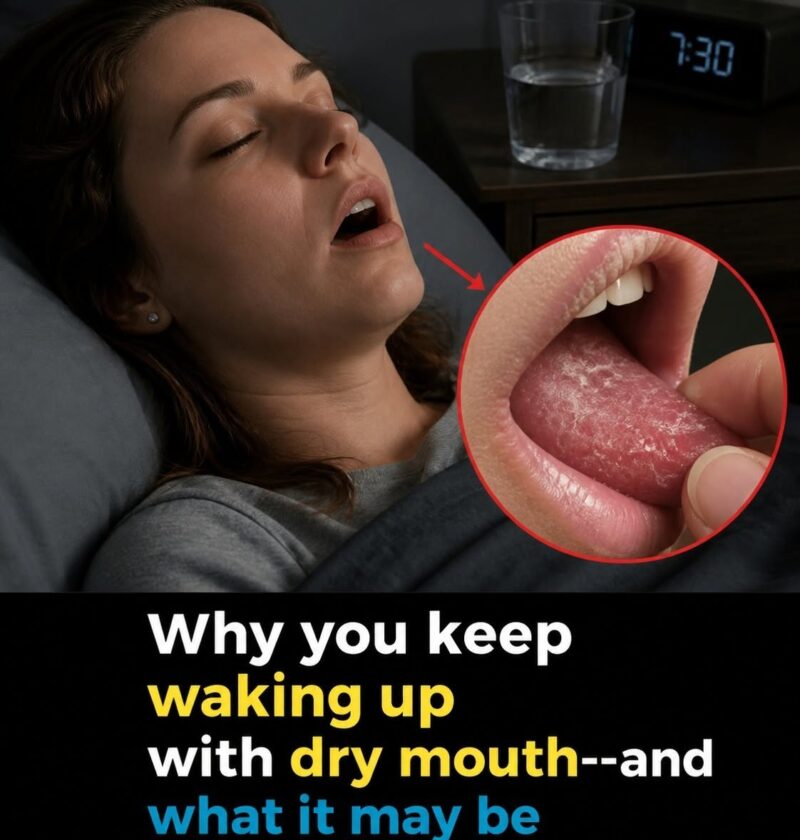
Waking up with a dry mouth is common, but it can be a clue that something is affecting your saliva production, breathing, hydration, or sleep quality.
Common reasons for waking with a dry mouth
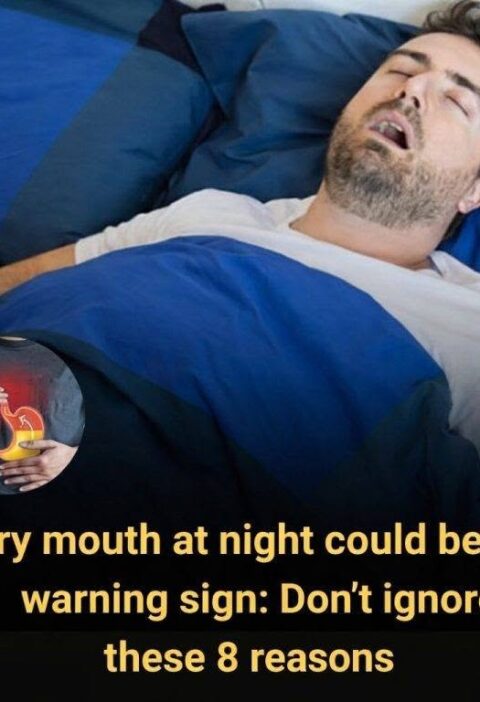
1. Sleeping with your mouth open
- Often happens because of nasal congestion, allergies, a deviated nasal septum, or a habit of mouth breathing.
- Mouth breathing dries out the tissues of the mouth and throat.
2. Sleep apnea
- People with obstructive sleep apnea may breathe through their mouth during sleep.
- Other signs can include loud snoring, gasping during sleep, morning headaches, daytime tiredness, and difficulty concentrating.
3. Dehydration
- Not drinking enough fluids, sweating heavily, alcohol intake, or certain diets can reduce saliva flow overnight.
4. Medications
Many medicines can cause dry mouth, including some:
- Blood pressure medications
- Allergy medicines (antihistamines)
- Antidepressants
- Some pain medicines
5. Dry indoor air
- Heating, air conditioning, or low humidity can contribute to overnight dryness.
6. Health conditions
Dry mouth can sometimes be linked with conditions such as:
- Diabetes (especially if blood sugar is poorly controlled)
- Autoimmune conditions that affect saliva glands, such as Sjögren’s syndrome
- Certain hormonal or neurological conditions
What you can try
- Drink enough water throughout the day.
- Treat nasal congestion if you have it.
- Use a humidifier if your room air is very dry.
- Avoid alcohol close to bedtime.
- Practice good oral hygiene, because low saliva increases the risk of cavities and gum problems