8 Reasons to Leave Purslane Growing — The Backyard Plant Many People Overlook
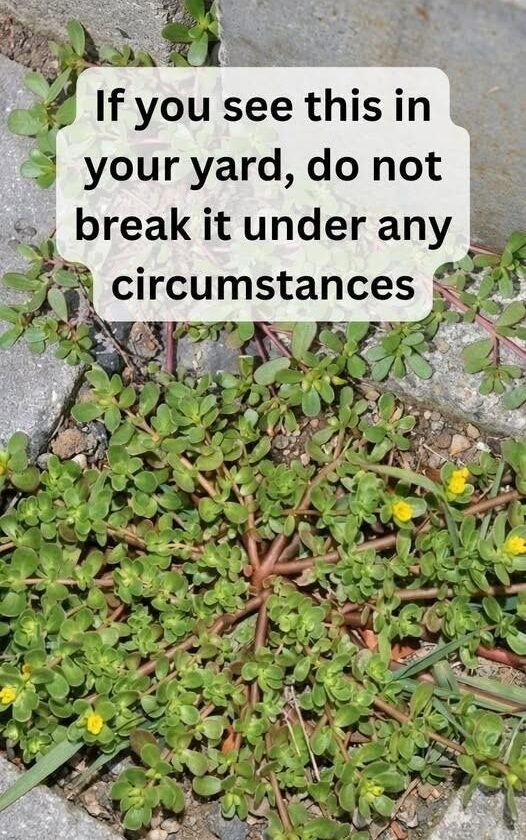
Purslane (Portulaca oleracea) is often treated as a weed, but it has a long history as an edible plant in many cultures. Before eating any wild plant, make sure it is correctly identified and has not been exposed to pesticides, herbicides, or contaminated soil.
Why Some People Value Purslane
- It’s nutrient-rich
Purslane contains vitamins and minerals, including vitamin A, vitamin C, magnesium, potassium, and calcium. - It contains omega-3 fatty acids
It is one of the few leafy plants known to contain notable amounts of plant-based omega-3s. - It provides fiber
Like many leafy greens, it can contribute to digestive health. - It can support garden biodiversity
Its flowers may provide food for some pollinators. - It is drought-tolerant
Purslane is a hardy plant that can survive in dry conditions. - It can be used in cooking
In some cuisines, it is added to salads, soups, stews, or cooked dishes for its slightly tangy flavor. - It can act as ground cover
Its spreading growth may help shade soil and reduce evaporation in some garden settings. - It has traditional medicinal uses
Various cultures have used purslane traditionally, though traditional use does not mean it can treat or cure diseases.
A Few Cautions
- Make sure you can distinguish purslane from look-alike plants that may not be edible.
- People prone to kidney stones may need to be cautious because purslane contains oxalates.
- Wash it thoroughly before eating.
Purslane can be a useful plant in the right place — but whether to keep it depends on your garden goals and local conditions.