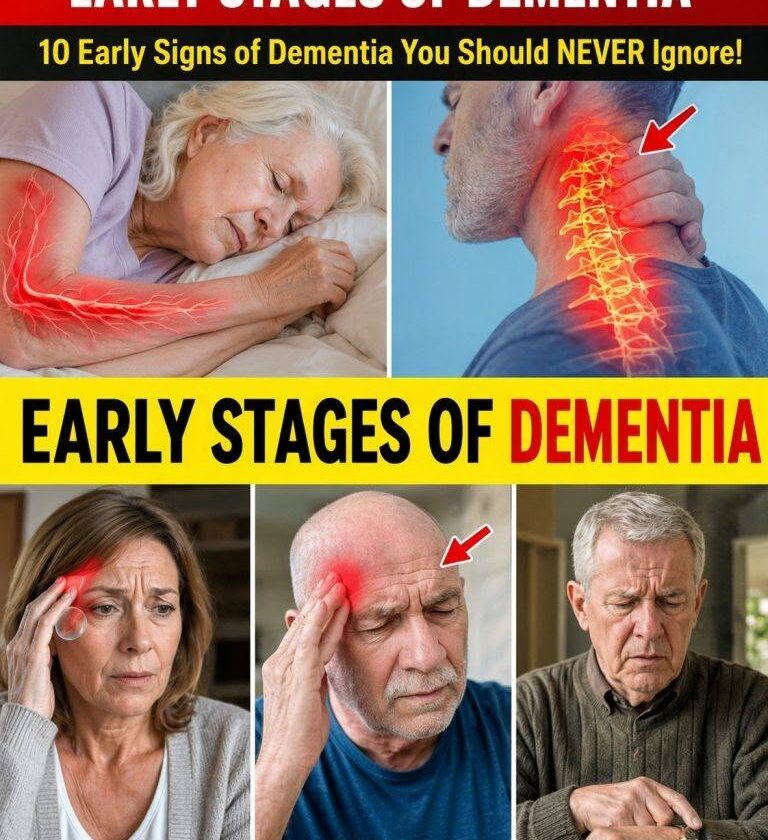
Over 60? 10 Early Dementia Warning Signs You Should Never Ignore
Getting older does not automatically mean developing dementia. However, some changes in memory, thinking, behavior, and daily functioning may be early warning signs that deserve attention. Early evaluation can help identify treatable causes, support planning, and provide access to care and resources.
1. Memory loss that disrupts daily life
Occasionally forgetting names or misplacing items can happen to anyone. A warning sign is repeatedly forgetting recent conversations, appointments, or important information and needing others to fill in the gaps.
2. Difficulty managing familiar tasks
Struggling with activities that were once routine—such as handling bills, following a familiar recipe, using common appliances, or organizing medications—may signal changes in thinking abilities.
3. Problems with planning or problem-solving
A person may have increasing difficulty making decisions, keeping track of finances, following steps in a task, or dealing with unexpected situations.
4. Confusion about time or place
Getting lost in familiar locations, forgetting the day or season, or becoming confused about where they are can be a concerning sign.
5. Trouble finding words or following conversations
Frequent pauses, losing track of conversations, repeating the same points, or having difficulty expressing thoughts may indicate changes in language skills.
6. Misplacing things and being unable to retrace steps
Everyone misplaces items, but repeatedly putting things in unusual places and being unable to remember where they were placed can be a warning sign.
7. Changes in mood, personality, or behavior
New anxiety, withdrawal, irritability, suspiciousness, apathy, or unusual social behavior may occur alongside cognitive changes.
8. Losing interest in hobbies and activities
A noticeable decline in participation in favorite activities, social events, or routines may be linked to changes in motivation or cognitive function.
9. Poor judgment or risky decisions
Examples include falling for scams, making unsafe financial choices, neglecting personal safety, or showing reduced awareness of consequences.
10. Changes in vision or difficulty judging distances
Some forms of dementia can affect visual processing, making it harder to recognize objects, navigate spaces, or judge distance.