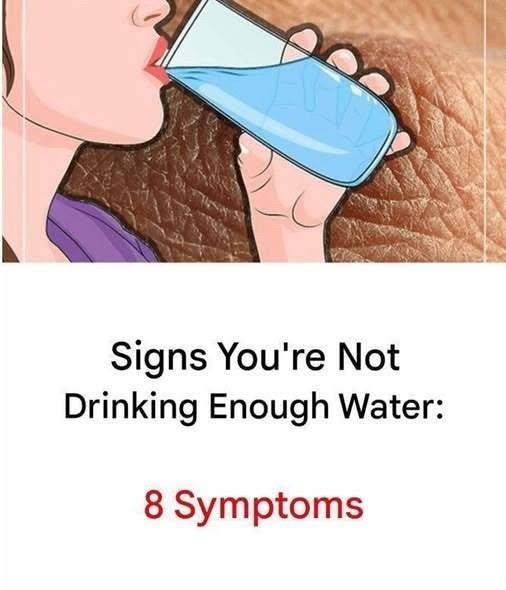
The headline “What Happens to Your Body When You Don’t Drink Enough Water” describes dehydration, which occurs when your body loses more fluid than it takes in. Even mild dehydration can affect how you feel and function.
What dehydration can do to your body
1. 💧 Fatigue and low energy
When you are dehydrated, your blood volume can decrease, making your heart work harder to circulate blood. This may leave you feeling tired or sluggish.
2. 🧠 Headaches and difficulty concentrating
Your brain is sensitive to fluid changes. Dehydration may contribute to:
- Headaches
- Poor focus
- Irritability
- Feeling mentally “foggy”
3. 🚽 Darker urine and fewer bathroom trips
The kidneys conserve water by making urine more concentrated.
- Pale yellow urine often suggests good hydration.
- Dark yellow urine may indicate you need more fluids (though some medications and foods can also change urine color).
4. 🦵 Muscle cramps
Fluid and electrolyte changes can contribute to muscle tightness or cramps, especially after sweating or exercise.
5. ❤️ Increased strain on the heart
With less fluid in circulation, your heart may beat faster to help maintain blood flow.
6. 🌡️ Trouble regulating body temperature
Water helps with sweating and cooling. Dehydration increases the risk of overheating, especially in hot weather or during exercise.
7. 🩺 Constipation
Water helps keep stool softer and supports normal digestion. Low fluid intake can contribute to harder stools.
8. 🧴 Dry mouth and skin
Reduced hydration can cause:
- Dry mouth
- Thirst
- Dry or tight-feeling skin
Who needs to be especially careful?
Higher risk of dehydration includes:
- Older adults (thirst signals may become weaker)
- People exercising or working in heat
- People with fever, vomiting, or diarrhoea
- People taking certain medications, such as diuretics
How much water do you need?
Needs vary depending on:
- Body size
- Activity level
- Climate
- Diet
- Health conditions
A simple guide is to drink regularly throughout the day and pay attention to thirst and urine color.
Signs of more serious dehydration
Seek medical advice if there is:
- Confusion
- Fainting
- Very little or no urination
- Rapid heartbeat