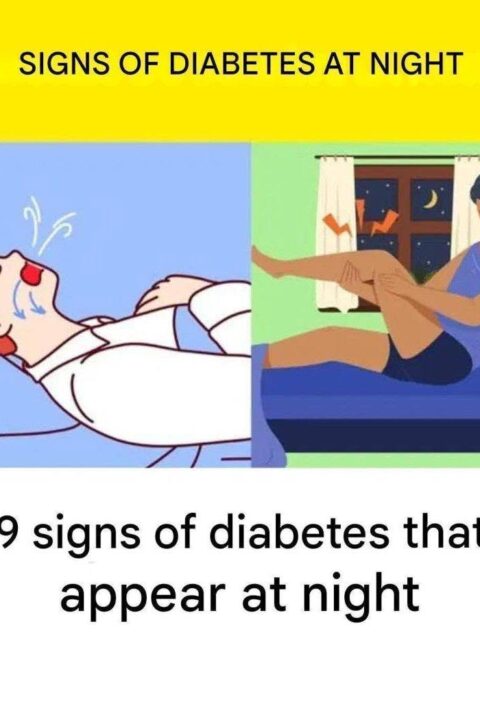
The headline “The High-Sugar Alert: Recognizing the 12 Key Symptoms Your Body is Showing You” refers to signs that may occur when blood glucose (blood sugar) is higher than normal. Many of these symptoms can be caused by other conditions, so they are not a diagnosis by themselves—a blood test is needed to know your blood sugar level.
12 possible signs of high blood sugar
1. 🚰 Increased thirst
High glucose levels can make the kidneys remove more water, leading to dehydration and increased thirst.
2. 🚽 Frequent urination
The body may try to get rid of excess glucose through urine, causing more frequent trips to the bathroom (often noticeable at night).
3. 🍽️ Increased hunger
Some people feel very hungry because glucose is not being used properly by the body’s cells.
4. 😴 Fatigue
High blood sugar can leave you feeling tired because your body may not be using glucose efficiently for energy.
5. 👀 Blurred vision
Changes in fluid levels caused by high glucose can affect the lenses of the eyes.
6. ⚖️ Unexplained weight loss
This can happen when the body begins breaking down fat and muscle for energy, especially with very high blood sugar.
7. 🩹 Slow-healing cuts or wounds
High glucose can affect circulation and the immune system, which may slow healing.
8. 🦠 Frequent infections
High blood sugar can make some infections more likely, including:
- Urinary tract infections
- Skin infections
- Yeast infections
9. 🖐️ Tingling or numbness
Long-term high blood sugar can damage nerves, causing burning, tingling, or numb sensations (often in the feet and hands).
10. 😬 Dry mouth or dry skin
Fluid loss from increased urination can contribute to dryness.
11. 🧠 Difficulty concentrating (“brain fog”)
Glucose fluctuations can affect energy levels and concentration.
12. 🍃 Fruity-smelling breath, nausea, or deep breathing (urgent sign)
These can be signs of diabetic ketoacidosis (DKA), a serious condition that requires urgent medical attention, especially in people with diabetes.
When to get checked
Consider asking a healthcare professional about blood sugar testing if you have:
- Several of these symptoms
- Risk factors such as family history, excess weight, high blood pressure, or a history of gestational diabetes
- Repeated high glucose readings
Common tests include:
- Fasting blood glucose
- HbA1c (average blood sugar over about 2–3 months)
- Oral glucose tolerance test (in some cases)