5 Drinks That May Be Bad for Bone Health
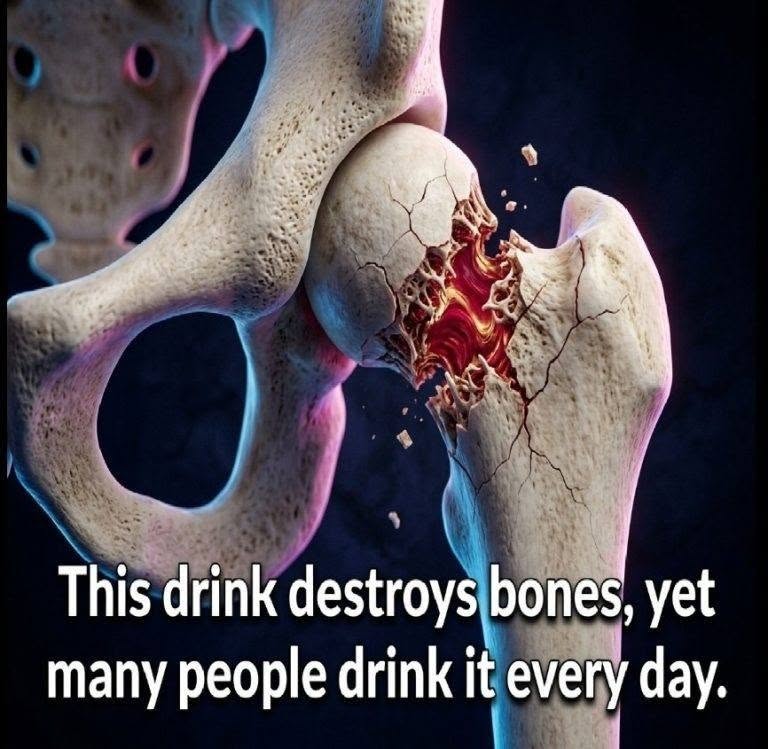
Your bones need more than calcium. Vitamin D, protein, physical activity, hormones, and overall nutrition all play important roles in maintaining bone strength.
Some drinks can work against those goals—especially when consumed frequently or in large amounts.
1. 🍺 Excessive alcohol
Heavy alcohol consumption is associated with poorer bone health and a higher risk of fractures.
Alcohol can also contribute to falls and may interfere with nutrition and bone remodeling.
An occasional drink isn’t the same as heavy drinking, but regular excessive alcohol use is a genuine concern for bone health.
2. 🥤 Sugary soft drinks
Regular soda provides a lot of added sugar without contributing much nutritional value.
The bigger issue is often what these drinks replace. If soda regularly takes the place of milk, fortified alternatives, or other nutritious beverages, overall intake of calcium and other nutrients may suffer.
3. ⚡ Excessive energy drinks
Energy drinks can contain large amounts of caffeine and added sugar.
The concern isn’t that caffeine automatically “leaches calcium from your bones.” Rather, very high caffeine intake may have a small effect on calcium balance, particularly when overall calcium intake is inadequate.
4. 🍹 Very sugary specialty drinks
Large sweetened coffees, milkshakes, and heavily sweetened beverages can add substantial calories and sugar without providing much nutritional value.
If they’re replacing nutritious foods or contributing to an unhealthy diet overall, that’s not ideal for long-term bone health.
5. ☕ Excessive caffeine
Coffee and tea aren’t inherently bad for your bones.
For most people, moderate caffeine consumption can fit into a healthy diet. The concern is excessive intake, especially when someone isn’t getting enough calcium and vitamin D.
So you don’t necessarily need to give up your morning coffee.
🦴 What should you drink instead?
For everyday hydration, water is an excellent choice.
Depending on your nutritional needs, milk or calcium- and vitamin-D-fortified alternatives can also contribute important nutrients.
And don’t forget the bigger picture:
🏋️ Weight-bearing and resistance exercise
🥛 Adequate calcium and vitamin D
🥚 Enough protein and overall nutrition
🚭 Avoiding smoking
🍷 Keeping alcohol consumption within recommended limits