🦴 5 Drinks That May Be Bad for Your Bones
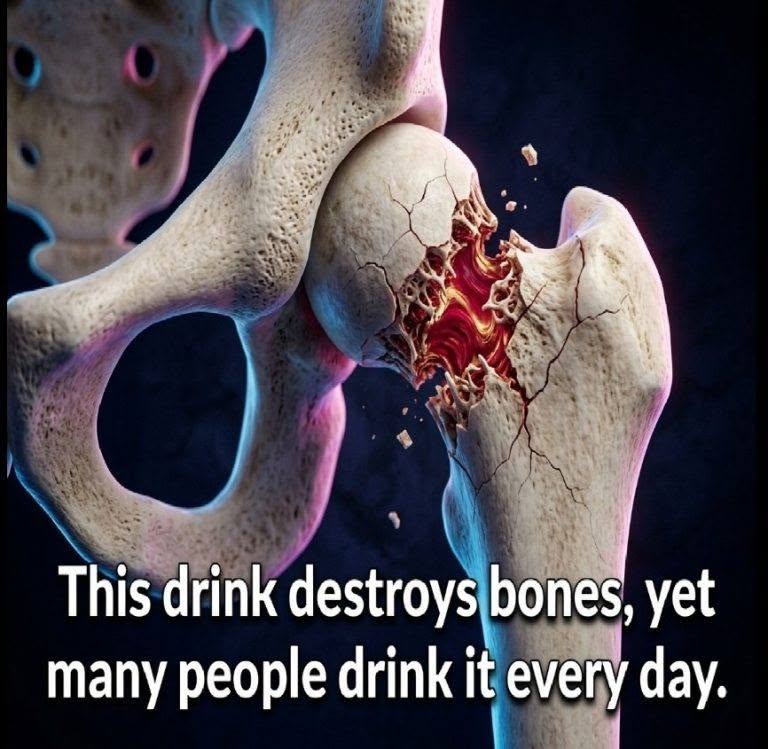
The idea that certain drinks literally “destroy” your bones is exaggerated. However, heavy alcohol intake, excessive caffeine, and frequent consumption of some soft drinks can contribute to poorer bone health, particularly when they replace calcium-rich foods and drinks. (Bone Health & Osteoporosis Foundation)
1. 🍺 Heavy alcohol consumption
Excessive alcohol intake is associated with bone loss and a higher risk of fractures. It can also interfere with nutrition and increase the likelihood of falls. (Bone Health & Osteoporosis Foundation)
2. 🥤 Cola and other soft drinks
Some studies have associated cola consumption with lower bone density. The concern isn’t the carbonation itself; caffeine and other ingredients may play a role, while replacing calcium-rich beverages with soda may also matter. (Bone Health & Osteoporosis Foundation)
3. ☕ Excessive coffee
Caffeine can modestly reduce calcium absorption and increase calcium loss in urine. Moderate coffee consumption isn’t automatically harmful, particularly when calcium intake is adequate, but very high intake may be a concern. (Bone Health & Osteoporosis Foundation)
4. ⚡ Highly caffeinated energy drinks
These can deliver large amounts of caffeine and may also contain substantial amounts of sugar. Frequent, high caffeine intake is worth limiting, especially if it replaces nutritious beverages.
5. 🧋 Sugary beverages
Regular consumption of sugar-sweetened drinks can contribute to an overall diet that is poor in nutrients important for healthy bones. Recent evidence also finds an association between sugar-sweetened beverages and several bone/joint conditions, although this doesn’t prove that the drinks directly cause osteoporosis. (PubMed)
🥛 Better choices for your bones
Choose water, milk or calcium-fortified alternatives, and make sure your diet provides adequate calcium and vitamin D. Weight-bearing and muscle-strengthening exercise are also important for maintaining bone strength. (Bone Health & Osteoporosis Foundation)
Bottom line: You don’t necessarily need to eliminate coffee or every soft drink. The bigger concern is excessive intake and consistently replacing nutritious foods or drinks with them.