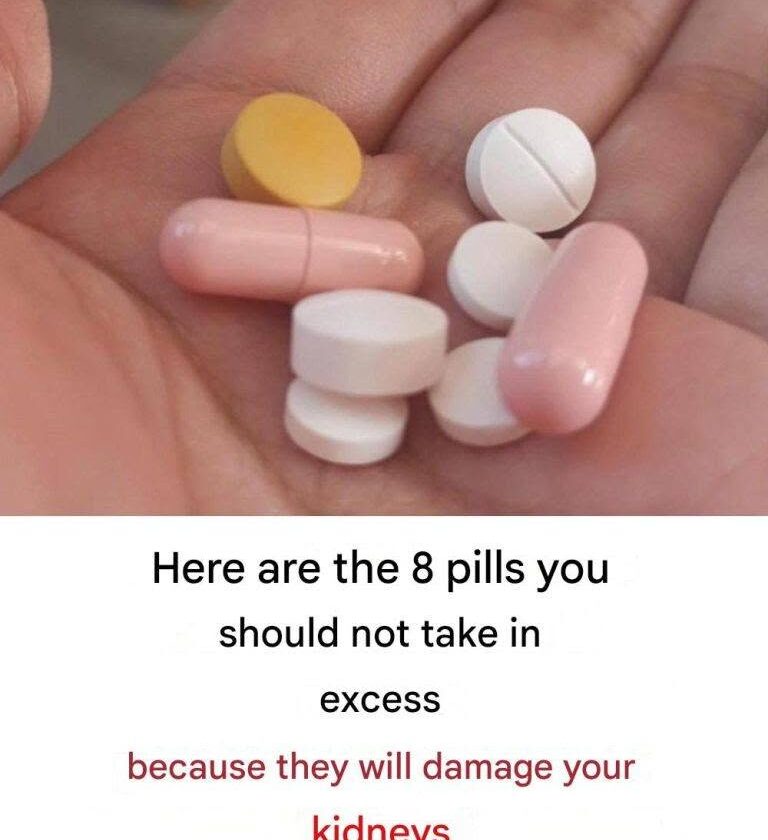
That headline needs a little correction: there aren’t eight pills that everyone should “never take.” Many medicines that can affect the kidneys are safe and necessary when appropriately prescribed. The risk often depends on the drug, dose, duration, hydration, existing kidney function, and combinations with other medicines. (NIDDK)
Eight medication groups that deserve kidney-safety attention
1. NSAID painkillers
Ibuprofen, naproxen, and similar medicines can reduce blood flow to the kidneys. The risk is higher with long-term or high-dose use, dehydration, or existing kidney disease. (NIDDK)
2. Certain antibiotics
Some antibiotics can directly affect the kidneys, while others can accumulate when kidney function is reduced. Doses sometimes need to be adjusted according to kidney function. (National Kidney Foundation)
3. Certain antivirals
Some antiviral medicines can require dose adjustment or monitoring in people with reduced kidney function, and a few can themselves cause kidney toxicity. (National Kidney Foundation)
4. Certain antifungal medicines
Some antifungals can be hard on the kidneys, particularly at higher doses or in people who already have impaired kidney function. (National Kidney Foundation)
5. Lithium
Long-term lithium treatment can affect kidney function and requires regular medical monitoring.
6. Some immunosuppressants
Medicines such as calcineurin inhibitors, commonly used after organ transplantation, can affect kidney function and require monitoring.
7. Diuretics (“water pills”)
Medicines such as furosemide can be extremely useful for heart failure, high blood pressure, and fluid retention. However, excessive dosing can contribute to dehydration and electrolyte problems that place stress on the kidneys. (National Kidney Foundation)
8. ACE inhibitors and ARBs—under certain circumstances
This category needs special clarification. Drugs such as lisinopril and losartan are not simply “kidney-damaging pills.” They can actually protect kidney function in many people. However, the risk of acute kidney injury can increase when they are combined with an NSAID and a diuretic, particularly during dehydration. (NIDDK)
🚫 Don’t stop prescribed medicines on your own
Stopping a blood-pressure medicine, heart medicine, antibiotic, lithium, or immunosuppressant without medical advice can be dangerous. If you’re concerned about kidney damage, ask your doctor or pharmacist to review every prescription, over-the-counter medicine, and supplement you’re taking.
A more accurate headline:
“8 Types of Medicines That Can Affect Your Kidneys: What You Should Know”