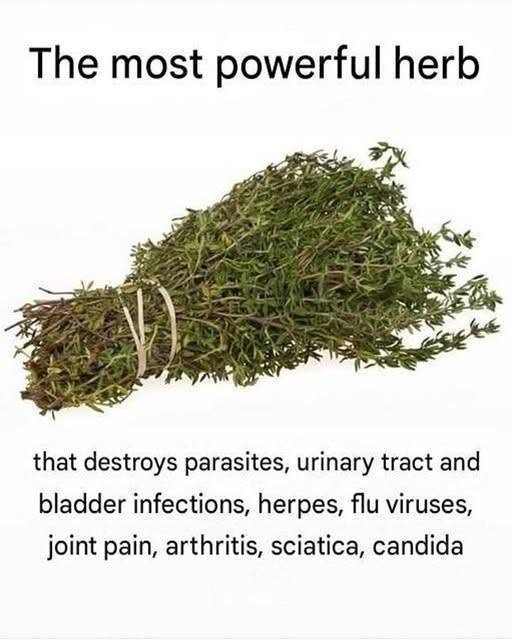
🌿 “The Most Potent Herb…” — What the Evidence Really Says
There is no single herb proven to destroy parasites and simultaneously cure urinary-tract infections, bladder infections, herpes, and influenza. Claims that one herb can treat all of these conditions go beyond the available clinical evidence.
What about popular herbal remedies?
- Cranberry: May modestly reduce the risk of recurrent UTIs in some women, but it does not treat an existing UTI. (NCCIH)
- Elderberry: Some preliminary studies suggest it might help relieve certain cold or flu symptoms, but the evidence is limited. It has not been established as a treatment for herpes, parasites, or UTIs. Raw or unripe elderberries can also be toxic. (NCCIH)
- Garlic and other herbs: Although some compounds show antimicrobial activity in laboratory research, strong clinical evidence that they cure infections such as influenza or UTIs is lacking. (NCCIH)
🚨 Don’t replace infection treatment with an herb
A bacterial UTI can progress from the bladder to the kidneys. The CDC notes that antibiotics are used to treat UTIs when appropriate, following medical evaluation. (CDC)
Similarly, herpes and parasitic infections require treatments specific to the particular organism and infection. An unidentified “powerful herb” isn’t a reliable substitute for diagnosis and appropriate therapy.
A safer headline
“The Powerful Herbs People Use for Infections—and What Science Actually Says”
Bottom line: Herbs can have useful properties, but “natural” doesn’t mean proven or automatically safe. If you have burning urination, fever, flank pain, genital sores, persistent diarrhea, or other signs of infection, seek medical evaluation rather than trying to treat the infection with an herbal remedy alone.