If you’re asking for a detailed explanation of that topic, here’s the key idea:
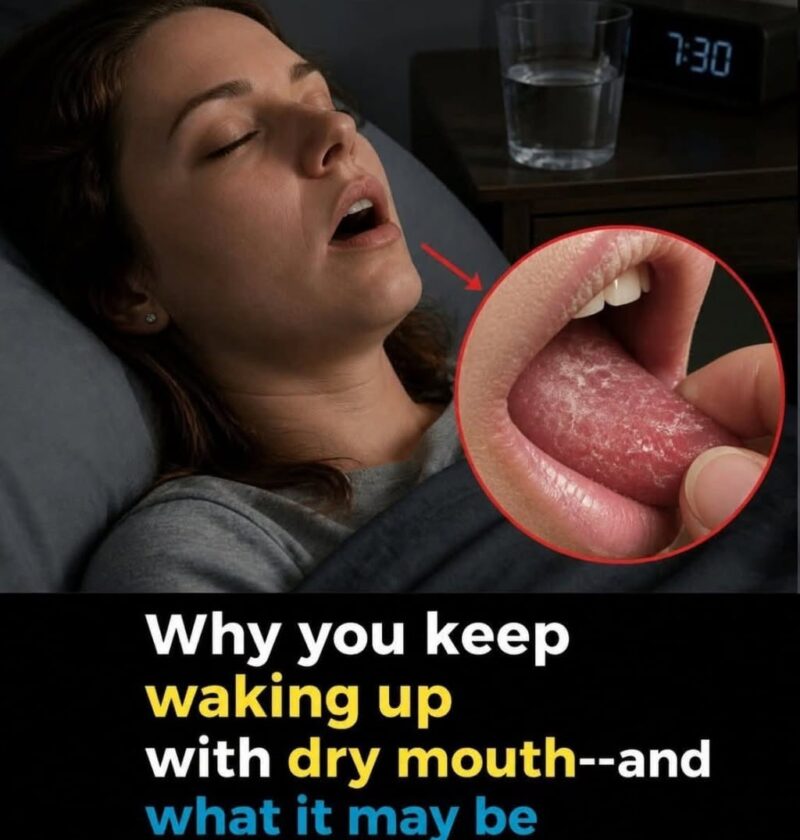
Waking up with a dry mouth: what can it mean?
A dry mouth in the morning is common and isn’t necessarily a sign of illness. It usually means your mouth didn’t have enough saliva while you were sleeping.
Common reasons include:
- Mouth breathing: A blocked nose, allergies, congestion, or sleeping with your mouth open can dry out your mouth.
- Dehydration: Not drinking enough fluids during the day—or losing fluid overnight—can contribute.
- Snoring or sleep apnea: Persistent snoring and breathing interruptions can cause significant mouth dryness, especially if you regularly wake with a dry mouth.
- Medications: Many medicines can reduce saliva production, including some antihistamines, antidepressants, blood-pressure medicines, and decongestants.
- Alcohol, tobacco, or caffeine: These can contribute to dehydration or reduced saliva.
- Dry bedroom air: Heating, air conditioning, or low humidity can make symptoms worse.
- Reduced saliva production: Certain medical conditions can cause ongoing dry mouth.
When should you pay attention?
Occasional morning dryness is usually not concerning. However, persistent or severe dry mouth deserves attention because saliva protects your teeth and gums. Long-term dryness can increase the risk of cavities, gum problems, mouth infections, difficulty swallowing, and bad breath.
It’s particularly worth discussing with a doctor or dentist if you also have loud snoring, choking/gasping during sleep, morning headaches, excessive daytime sleepiness, frequent urination or unusual thirst, or unexplained weight changes.
What you can try
Drink adequate water during the day, address nasal congestion, consider a humidifier if your room is very dry, limit alcohol and tobacco, and maintain good oral hygiene. Sugar-free gum or lozenges can also stimulate saliva production.
If you’re waking up with a very dry mouth every day, especially alongside loud snoring or daytime fatigue, don’t simply assume it’s dehydration—sleep-related breathing problems are one possibility worth evaluating.