10 Indicators of Blocked Arteries You Shouldn’t Ignore
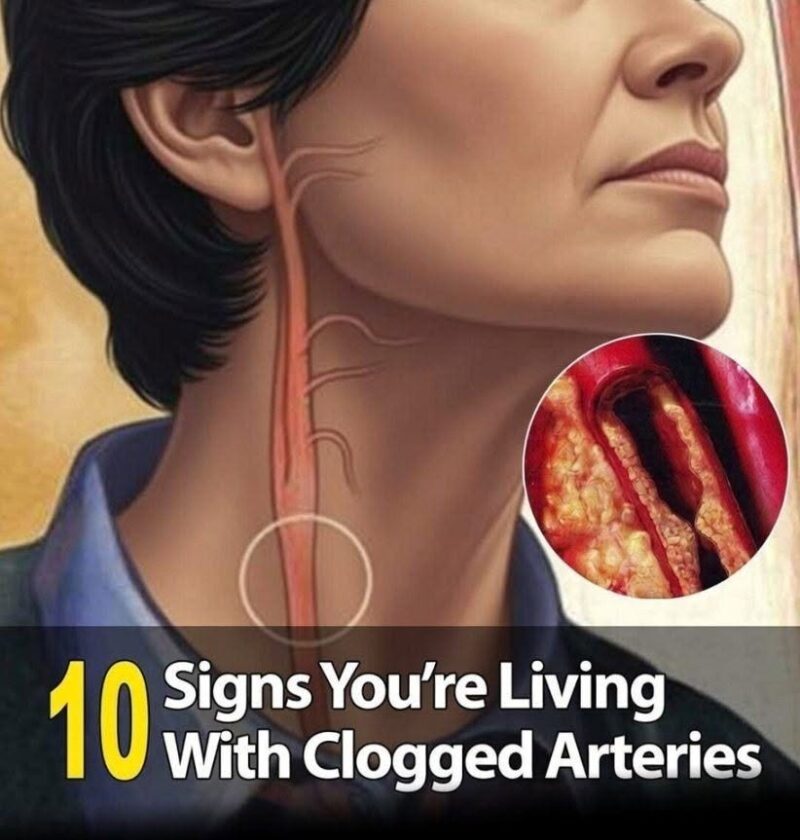
Blocked arteries (often caused by atherosclerosis, the buildup of plaque inside blood vessels) can reduce blood flow to the heart, brain, and other parts of the body. In some cases, symptoms appear only after significant narrowing has occurred, so recognizing warning signs is important.
1. Chest Pain or Pressure
A common warning sign of reduced blood flow to the heart is:
- Tightness
- Pressure
- Burning sensation
- A feeling of heaviness in the chest
This may occur during activity or stress and improve with rest.
2. Shortness of Breath
If the heart is not receiving enough oxygen-rich blood, you may feel unusually breathless during normal activities or even at rest.
3. Pain in the Arm, Shoulder, Neck, Jaw, or Back
Heart-related discomfort is not always felt in the chest. Some people experience pain or pressure spreading to:
- Left or both arms
- Shoulders
- Neck
- Jaw
- Upper back
4. Unusual Fatigue
Feeling extremely tired without a clear reason—especially with activity—can sometimes be linked to reduced heart function or circulation problems.
5. Dizziness or Lightheadedness
Reduced blood flow or heart rhythm problems can sometimes cause dizziness, faint feelings, or weakness.
6. Leg Pain While Walking (Peripheral Artery Disease)
Blocked arteries in the legs may cause:
- Cramping or aching during walking
- Pain that improves with rest
- Cold feet or slow-healing wounds
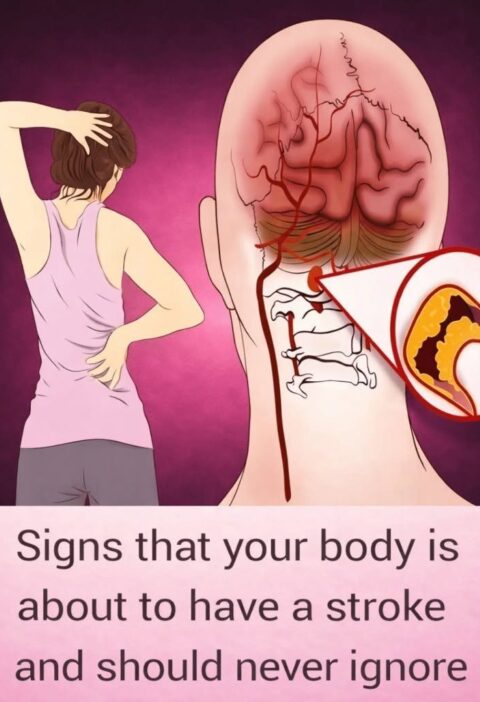
7. Numbness or Weakness on One Side of the Body
Blocked arteries supplying the brain can contribute to stroke symptoms, such as:
- Sudden weakness
- Facial drooping
- Trouble speaking
- Confusion
8. Erectile Dysfunction in Men
Reduced blood flow from artery problems can sometimes contribute to difficulty achieving or maintaining an erection.
9. Heart Palpitations or Irregular Heartbeat Sensations
Some people notice:
- Racing heartbeat
- Fluttering sensations
- Skipped beats
These symptoms can have many causes, but they should be evaluated if persistent.
10. High Blood Pressure or Abnormal Cholesterol Levels
These may not cause noticeable symptoms but are major risk factors for artery disease and plaque buildup