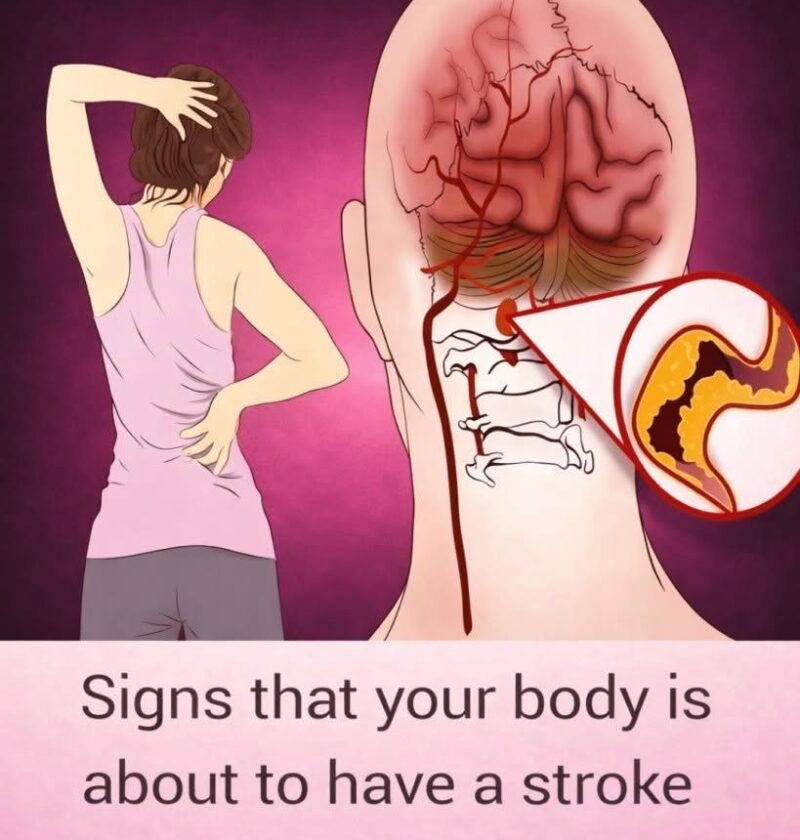
One of the most important signs is sudden numbness or weakness, especially on one side of the face, arm, or leg. This often affects just one side of the body.
Another is facial drooping. One side of the face may look uneven, and the person may have trouble smiling normally.
Slurred or strange speech is also common. Speech may become unclear, slow, or difficult to understand.
A person may experience sudden confusion, struggling to understand simple conversations or instructions.
Vision problems can appear suddenly, such as blurred vision, double vision, or loss of vision in one eye.
Severe, unusual headache with no known cause can sometimes signal a stroke, especially if it comes on suddenly.
Loss of balance or coordination is another warning sign. The person may feel dizzy, unsteady, or have trouble walking straight.
Some people notice sudden trouble swallowing, which can occur when the brain’s control of muscles is affected.
A key early warning is a Transient Ischemic Attack (TIA), a short “mini-stroke” where symptoms appear and then fully disappear. TIAs are major red flags that a full stroke risk is high.
Finally, sudden mental changes, such as disorientation, memory lapses, or unusual behavior, can also occur when the brain is affected.
A simple way to remember the most critical signs is the FAST rule:
- Face drooping
- Arm weakness
- Speech difficulty
- Time to call emergency help immediately
These symptoms are urgent. Even if they disappear quickly, they should always be treated as a medical emergency because early treatment can prevent long-term brain damage from Stroke.