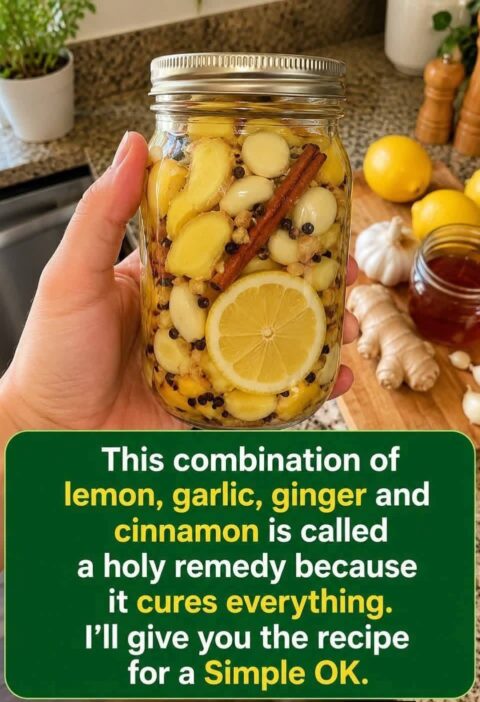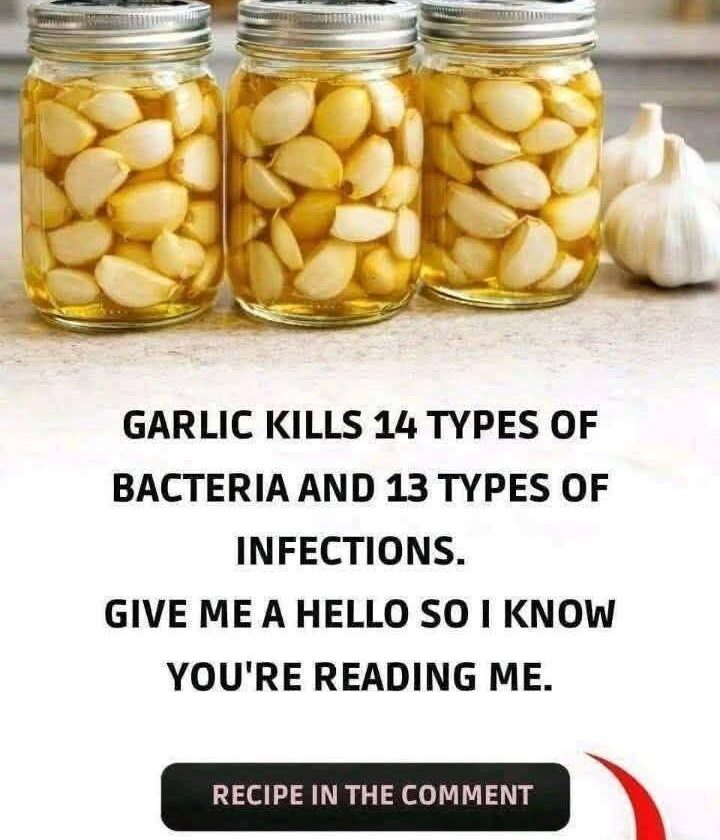
That phrase—“Garlic: the natural antibiotic that conquers infections”—is an oversimplification that shows up a lot in health blogs and social media.
🧄 What garlic actually does
Garlic contains compounds like allicin, which in lab studies can:
- inhibit growth of some bacteria
- have mild antifungal and antiviral effects
- reduce inflammation slightly
So yes—there is some real biological activity.
❌ What garlic does NOT do
Despite the “natural antibiotic” label, garlic:
- is not a replacement for antibiotics
- cannot reliably treat serious infections (like pneumonia, UTIs, strep throat)
- does not have controlled, consistent dosing like medical drugs
- has much weaker and less predictable effects in the human body than lab results suggest
🧠 Why the “natural antibiotic” idea is misleading
Antibiotics in medicine:
- are tested in clinical trials
- have precise dosing
- are proven to kill specific bacteria in the body
Garlic:
- shows activity mostly in lab (petri dish) conditions
- breaks down quickly in digestion
- varies widely in strength depending on preparation
🟢 Where garlic can help realistically
Garlic may:
- support immune health as part of a balanced diet
- slightly reduce severity or duration of minor infections (limited evidence)
- act as a general health food
But it is supportive, not curative for infections.
⚠️ Important safety note
Using garlic instead of medical treatment for infections can be risky because:
- bacterial infections can worsen quickly
- delayed antibiotics may lead to complications
- some infections require urgent care
🧠 Bottom line
Garlic is a healthy food with mild antimicrobial properties, not a true antibiotic.
Calling it a “natural antibiotic that conquers infections” is marketing language, not medical fact.
If you want, I can compare garlic vs real antibiotics vs other “natural remedies” so you can clearly see what actually works and what doesn’t.