7 Signs of a “Mini-Stroke” in the Elderly That Should Never Be Ignored
A “mini-stroke” usually refers to a transient ischemic attack (TIA). The symptoms can disappear within minutes or hours, but a TIA is a warning sign of possible stroke, not something to simply watch at home. (www.stroke.org)
🚨 7 warning signs
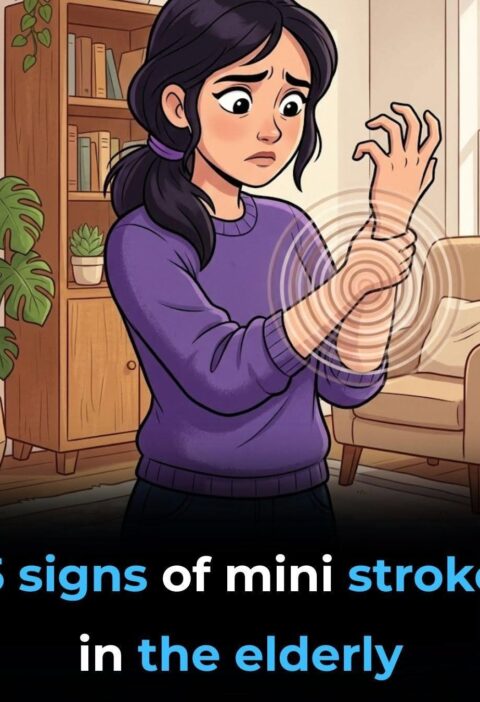
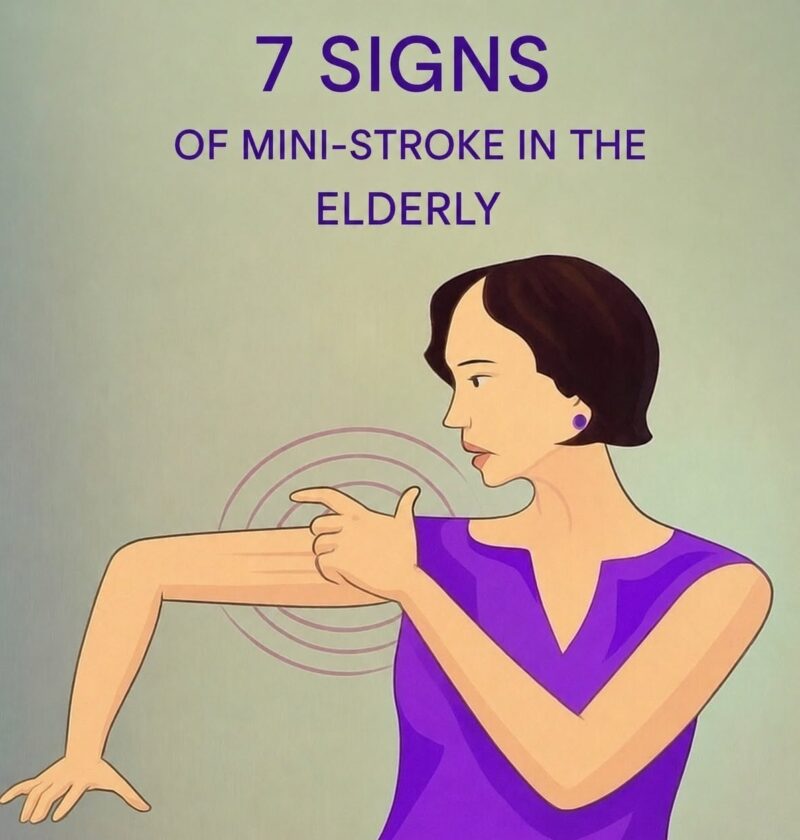
- Sudden weakness or numbness
Especially in the face, arm or leg, particularly on one side. - Sudden facial drooping
One side of the mouth or face may suddenly droop or feel numb. - Sudden speech problems
Speech may become slurred, difficult to understand, or the person may suddenly struggle to find or understand words. - Sudden vision changes 👁️
Temporary blindness, blurred vision or double vision in one or both eyes can occur. - Sudden dizziness or loss of balance
A person may suddenly have difficulty walking, become very unsteady or lose coordination. - Sudden confusion
New difficulty understanding people, following instructions or thinking clearly can be a warning sign. - Sudden severe headache
A severe headache without an obvious cause can accompany a stroke or TIA and requires urgent assessment. (www.stroke.org)
🧠 Remember B.E. F.A.S.T.
- B — Balance: sudden loss of balance or coordination
- E — Eyes: sudden vision changes
- F — Face: facial drooping
- A — Arm: weakness or numbness
- S — Speech: difficulty speaking or understanding
- T — Time: call emergency medical services immediately (www.stroke.org)
⚠️ The most important point
Don’t wait to see whether the symptoms disappear. At the beginning, you cannot reliably distinguish a TIA from a full stroke. Even if every symptom goes away, the person still needs urgent medical evaluation. (www.stroke.org)
If these symptoms are happening right now, call your local emergency service and note the exact time the symptoms began. Early assessment can help identify the cause and reduce the risk of a subsequent stroke. (www.stroke.org)
Bottom line: In an older adult, sudden changes in face, strength, speech, vision, balance or mental function should be treated as a potential stroke/TIA until a medical professional says otherwise.