What Is “Normal” Blood Pressure at Each Age?
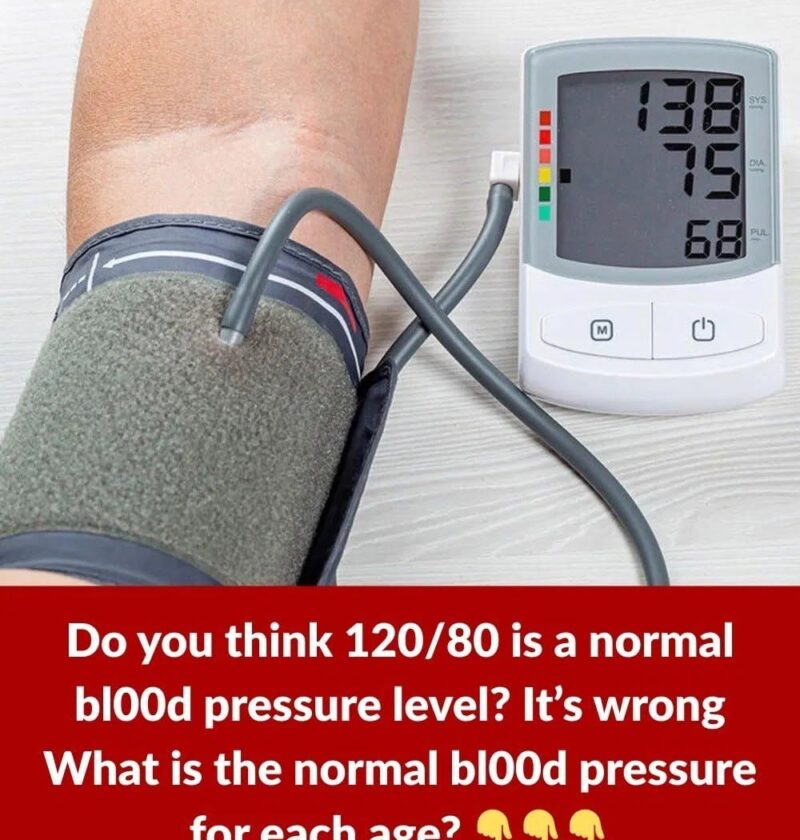
A common mistake is assuming that normal blood pressure automatically gets higher as you get older. For adults, current U.S. guidelines do not use a separate “normal” blood-pressure target for each age group. The American Heart Association’s 2025 guideline continues to define normal adult blood pressure as below 120/80 mm Hg.
📊 Adult blood-pressure categories
| Reading | Category |
|---|---|
| Below 120/80 | ✅ Normal |
| 120–129 and below 80 | Elevated |
| 130–139 or 80–89 | Stage 1 hypertension |
| 140+ or 90+ | Stage 2 hypertension |
| Above 180 and/or 120 | 🚨 Severe hypertension |
👴 What about people over 60 or 70?
Older adults don’t automatically need a higher blood pressure just because of their age. Treatment goals are individualized based on overall health, other medical conditions, medications, and how well a person tolerates treatment.
Also, one isolated reading doesn’t diagnose hypertension. Blood pressure naturally varies, so repeated properly performed measurements are more useful.
🚨 When is it an emergency?
If blood pressure is above 180/120 mm Hg, repeat the measurement after a brief rest. If it remains that high, contact a healthcare professional promptly. If it is that high and you have chest pain, shortness of breath, weakness/numbness, vision changes, severe headache, or difficulty speaking, seek emergency care immediately.