💧 What Happens to Your Body If You Don’t Drink Enough Water?
Not drinking enough fluid can lead to dehydration, meaning your body doesn’t have enough water to function normally. Your needs vary with activity, temperature, diet, illness, and medications. (CDC)
Early signs to watch for
- 🥵 Thirst
- 👄 Dry mouth
- 🚽 Less frequent urination
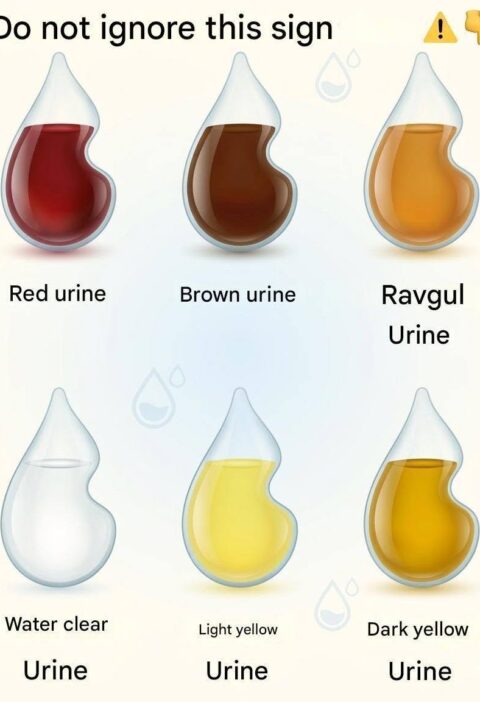
- 🟡 Darker-than-usual urine
- 😴 Tiredness or weakness
- 🤕 Headache
- 🌀 Dizziness or lightheadedness
- 💪 Muscle cramps (MedlinePlus)
Even relatively mild dehydration can contribute to unclear thinking, mood changes, constipation, overheating, and kidney stones. (CDC)
🧠 What happens if dehydration becomes severe?
Severe dehydration can cause confusion, fainting, very little or no urination, rapid heartbeat, and rapid breathing. It can become life-threatening and requires urgent medical attention. (MedlinePlus)
💦 How much water do you need?
There’s no single amount that’s right for everyone. Your needs increase with heat, exercise, fever, vomiting, or diarrhea. Water from food and other beverages also contributes to your total fluid intake. (CDC)
One important caution: Don’t force huge amounts of water quickly. Excessive water intake can dangerously lower blood sodium. (stacks.cdc.gov)
Bottom line: Don’t wait until you’re severely thirsty to think about hydration. Drink fluids regularly and pay attention to your thirst, urine output, and how you feel—especially during hot weather or illness.