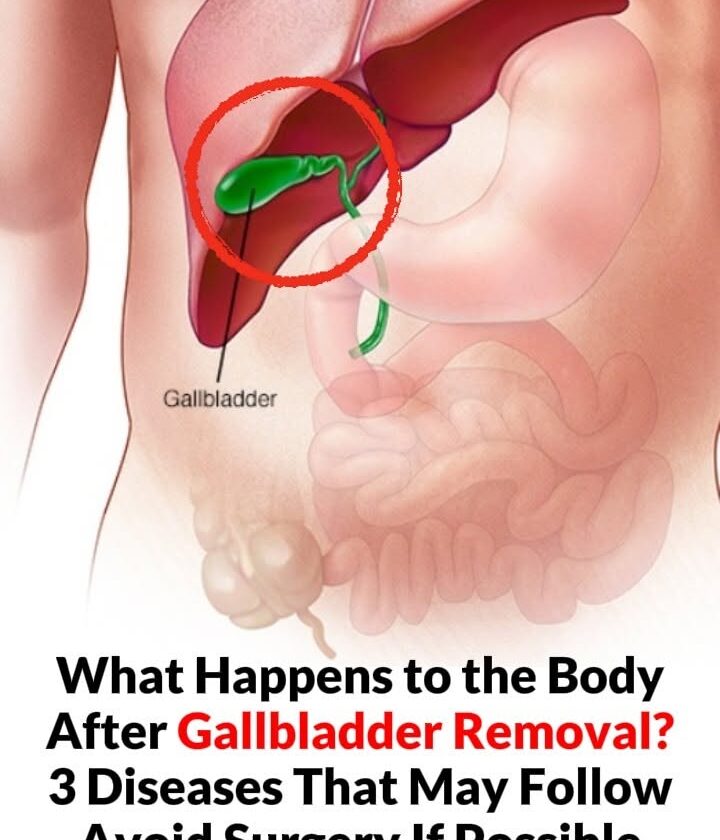
🩺 What Happens After Gallbladder Removal? 3 Things You Should Know
The headline “avoid surgery if possible” is too broad. Gallbladder removal (cholecystectomy) is a common procedure, and the gallbladder isn’t essential—you can live normally without it. When symptomatic gallstones are causing repeated attacks or complications, surgery is often the standard treatment. (NIDDK)
1. 🚽 Changes in bowel habits
After surgery, bile flows continuously from the liver into the intestine instead of being stored in the gallbladder. Some people temporarily develop softer or more frequent stools or diarrhea, particularly after fatty meals. These symptoms often improve, and persistent diarrhea can usually be evaluated and treated. (nhs.uk)
2. 🤢 Ongoing digestive symptoms
A minority of people continue to experience abdominal pain, indigestion, nausea, or diarrhea after surgery. This is sometimes called post-cholecystectomy syndrome. Importantly, persistent symptoms don’t necessarily mean the surgery caused a new disease—another digestive condition or a remaining bile-duct stone can sometimes be responsible. (nhs.uk)
3. ⚠️ Surgical complications
As with any operation, there are risks, including infection, bleeding, blood clots, bile leakage, and injury to the bile ducts or nearby organs. Serious complications are uncommon, but occasionally additional treatment or surgery is needed. (nhs.uk)
So should you avoid gallbladder surgery?
Not simply because you’ve heard that it causes other diseases. If you have silent gallstones that aren’t causing symptoms, treatment often isn’t necessary. But symptomatic gallstones can cause repeated attacks, inflammation, bile-duct infection, or pancreatitis, and untreated complications can be serious. (NIDDK)
The decision should depend on why surgery has been recommended, your symptoms, imaging results, and your overall health.
🚨 After surgery, seek medical attention for
Severe or worsening abdominal pain, fever or chills, yellow skin or eyes, persistent vomiting, or significant wound problems can indicate a complication and should be assessed promptly. (nhs.uk)
Bottom line: Gallbladder removal can cause temporary digestive changes and has genuine surgical risks, but there is no general recommendation to avoid it. For people with symptomatic or complicated gallstones, surgery can prevent serious problems and is generally considered safe.