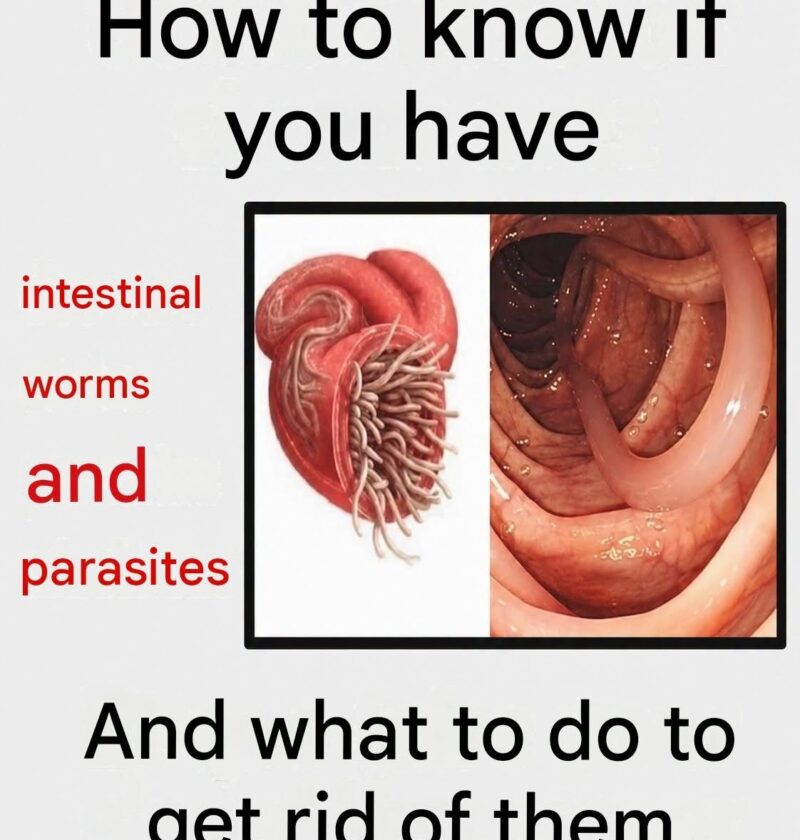
How to Know If You Have Intestinal Parasites—and What to Do About Them
Intestinal parasites can cause symptoms, but symptoms alone cannot confirm a parasite infection. Many other conditions can cause the same problems.
Common symptoms
Possible signs include:
- Persistent or recurrent diarrhea
- Abdominal cramps or pain
- Excessive gas or bloating
- Nausea or vomiting
- Unexplained weight loss
- Greasy, unusually foul-smelling stools
- Blood or mucus in the stool
- In some infections, itching around the anus at night—a classic sign of pinworms.
Some people with parasites have no symptoms at all.
🧪 How parasites are actually diagnosed
A healthcare professional may order a stool test for ova and parasites (O&P). For some parasites, several stool samples collected on different days improve the chance of detection. Other parasites require specific antigen, molecular/PCR, blood, or other tests.
If you suspect pinworms, the usual test is different: a transparent adhesive “tape test” is performed around the anus first thing in the morning, ideally on three consecutive mornings.
💊 How they’re treated
There isn’t one “parasite cleanse” that safely treats every parasite. Treatment depends on which organism is present. For example, soil-transmitted worms may be treated with medicines such as albendazole or mebendazole, while other parasites require different medications.
For pinworms, medicines such as pyrantel pamoate, mebendazole, or albendazole are used, with a second dose typically given two weeks later because the medicines don’t kill the eggs. Household hygiene and, when appropriate, simultaneous treatment of household members help prevent reinfection