“You Have a Lot of Gas…” — What Might Your Body Actually Be Telling You?
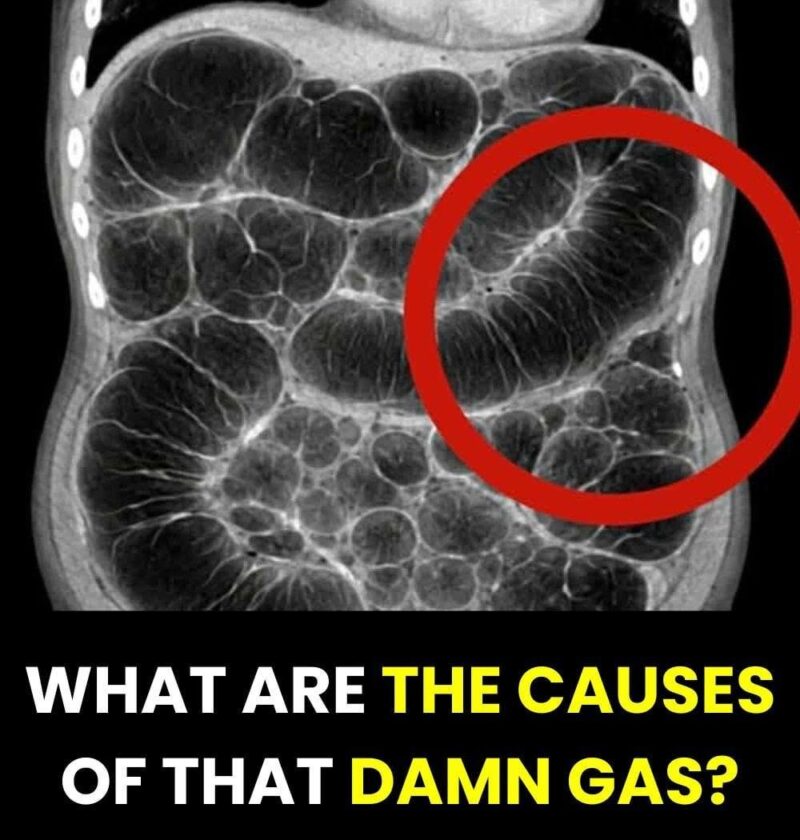
Having gas is normal. But if you’re suddenly passing much more gas than usual, or it’s accompanied by bloating or discomfort, there can be an underlying reason. (nhs.uk)
8 common explanations
- Swallowing air — eating quickly, chewing gum, drinking through straws or talking while eating can increase swallowed air.
- Gas-producing foods — beans, lentils, cabbage, onions and fizzy drinks are common triggers.
- Constipation — backed-up stool can make gas and bloating worse.
- Lactose intolerance — dairy can cause gas, bloating, cramps and diarrhea in people who don’t digest lactose well. (nhs.uk)
- Irritable bowel syndrome (IBS) — often causes recurring bloating, abdominal pain, diarrhea and/or constipation. (nhs.uk)
- Coeliac disease — can cause bloating, gas, abdominal symptoms and diarrhea.
- Indigestion or reflux — can cause bloating, burping and passing gas.
- Certain medications — some medicines, including NSAIDs, laxatives and even some statins, can contribute to excessive or smelly gas. (nhs.uk)
What can help?
Try eating smaller meals, eating more slowly, reducing fizzy drinks, and keeping a food diary to identify patterns. If constipation is contributing, adequate fluids and gradually increasing soluble fiber can help. Regular physical activity may also improve digestion. (nhs.uk)
Don’t automatically eliminate large numbers of foods based on an internet list. If a particular food repeatedly causes symptoms, discuss it with a healthcare professional or dietitian.
🚩 When gas shouldn’t be ignored
See a healthcare professional if excessive gas or bloating keeps returning or doesn’t go away, particularly if you also have unintentional weight loss, blood in your stool, persistent diarrhea/constipation, or significant abdominal pain. (nhs.uk)
Bottom line: Frequent gas usually points to something digestive—diet, swallowed air, constipation, intolerance or IBS—not necessarily a serious disease. Persistent or newly severe symptoms deserve evaluation rather than a “detox” remedy.