8 Fruits That May Support Healthy Circulation 🍓🍊
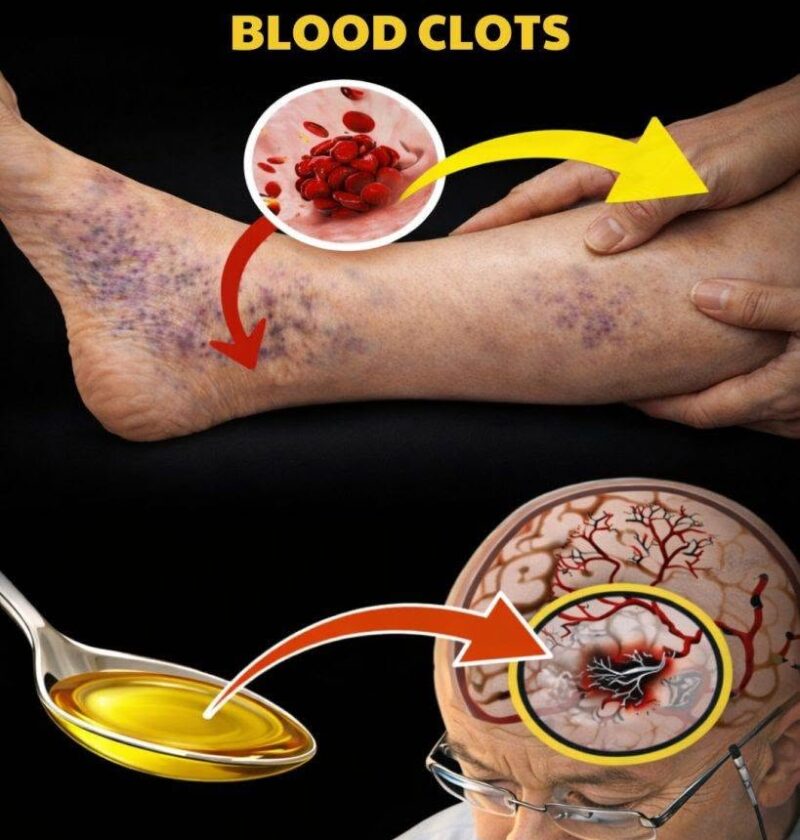
The headline “fruits that manage blood clots” is misleading. No fruit can dissolve an existing blood clot or replace prescribed anticoagulant treatment. A healthy diet can, however, support cardiovascular health and help manage risk factors associated with clotting.
Good choices include:
- Berries — strawberries, blueberries, raspberries and blackberries provide fiber and plant compounds.
- Oranges — a good source of vitamin C and fiber when eaten whole.
- Apples — provide fiber and are a convenient whole-fruit choice.
- Pears — particularly useful for increasing dietary fiber.
- Kiwi — provides vitamin C and other nutrients.
- Cherries — contain polyphenols and can fit into a heart-healthy diet.
- Peaches — a low-calorie whole-fruit option.
- Bananas — provide potassium and other nutrients important for general cardiovascular health.
⚠️ If you’re taking a blood thinner
This is where viral “blood-thinning foods” advice can become dangerous.
If you take warfarin, sudden changes in foods containing vitamin K can affect your INR. Some fruits—including kiwi, avocado, blackberries and blueberries—contain vitamin K, so consistency is more important than completely avoiding them. (nhs.uk)
Grapefruit and cranberry products can interact with warfarin, and grapefruit can interact with several other medications as well. (nhs.uk)
If you’re taking apixaban, rivaroxaban, clopidogrel or another anticoagulant/antiplatelet drug, don’t assume that a fruit or juice is a natural substitute for your medication. Some medications have their own specific food interactions. (nhs.uk)
Bottom line: 🍓 Eat a variety of whole fruits for overall heart health, but don’t try to treat or prevent a blood clot with fruit alone. If you have symptoms suggesting a clot—such as sudden one-sided leg swelling/pain or sudden chest pain and shortness of breath—seek urgent medical care.