🍉 “You’ve Been Throwing Away the Best Part of the Watermelon” — Is It True?
If the headline is referring to the watermelon rind, there is a grain of truth—but calling it the “best part” is marketing hype.
🍉 What about the rind?
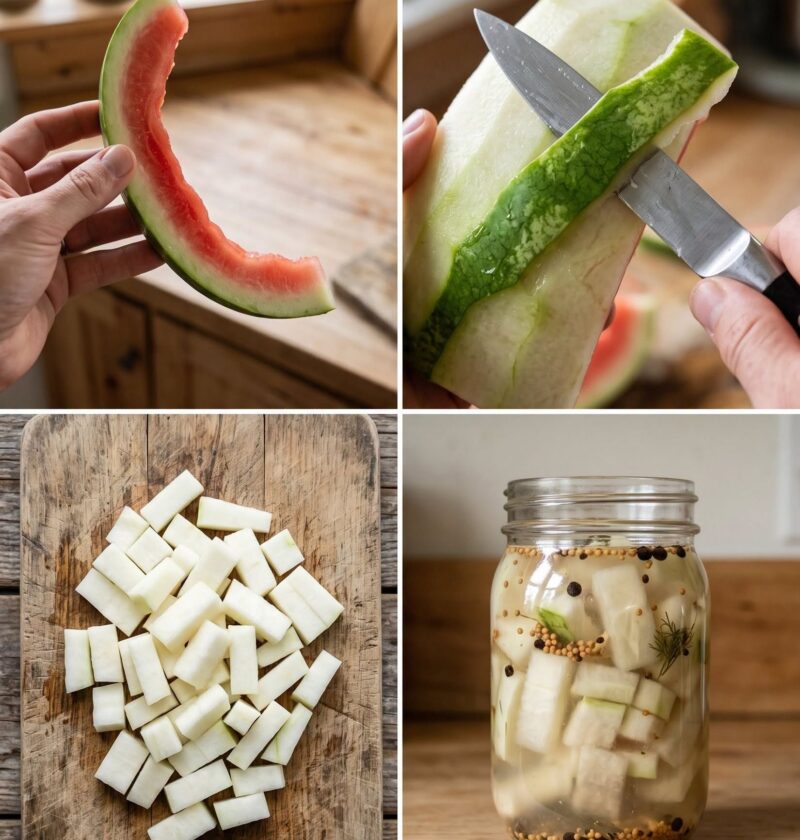
The white and pale-green part of watermelon rind is edible. It contains fiber and nutrients, and it can be cooked, pickled, or added to recipes.
The rind also contains citrulline, an amino acid involved in the body’s production of nitric oxide. However, claims that simply eating watermelon rind will dramatically improve circulation, lower blood pressure, or provide major medical benefits aren’t well established in humans.
🥗 Ways to use it
Instead of throwing it away, you can:
- Pickle the rind
- Remove the tough outer green skin and stir-fry the white portion
- Add peeled rind to smoothies
- Chop it finely and add it to salads or slaws
- Cook it with spices as a vegetable side dish
⚠️ One thing to remember
Wash the watermelon thoroughly before cutting it. The rind is exposed to dirt and microorganisms on the outside, so cleaning the whole fruit is important even if you don’t normally eat the rind.
Bottom line: 🍉 Watermelon rind is edible and can be nutritious, but it isn’t a secret cure-all. The juicy red flesh remains an excellent source of hydration and nutrients, so you aren’t “wasting the best part” by eating the watermelon normally.