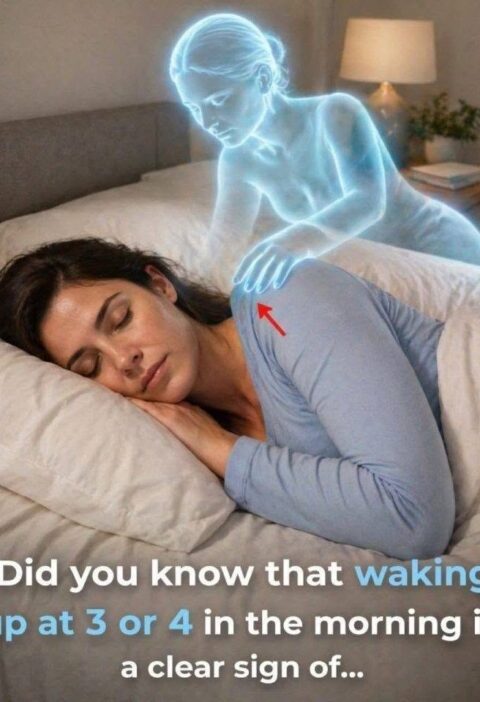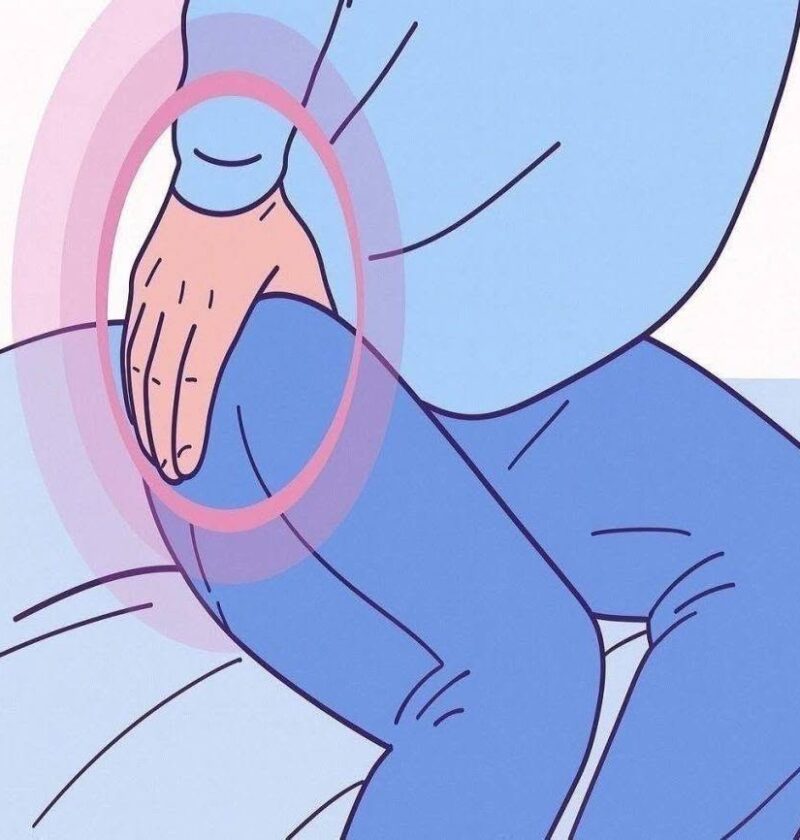
That’s a useful way to think about hip pain: the location, timing, and type of pain can provide clues, although they cannot diagnose the cause by themselves. Hip pain can come from the joint, surrounding muscles/tendons, or even the lower back.
U
UHMB NHS
+1
Where the pain is can matter
Groin or front of the hip: Often points toward the hip joint itself, including osteoarthritis. Hip-joint pain can sometimes travel down the thigh toward the knee.
D
DynamicHealth
Outside of the hip: Pain that’s particularly noticeable when lying on that side can occur with bursitis or other soft-tissue problems around the hip.
N
nhs.uk
Buttock or back of the hip: Sometimes the source is actually the lower back rather than the hip joint.
U
UHMB NHS
Pain after exercise or repetitive activity: A strain, tendon problem, or other overuse injury is possible.
N
nhs.uk
Pain with walking plus stiffness: Especially after age 45, this pattern can be consistent with osteoarthritis.
H
HWE Clinical Guidance
Morning stiffness lasting more than 30 minutes: This deserves medical assessment because inflammatory arthritis is one possible explanation.
N
nhs.uk
🚨 Don’t assume it’s “just aging”
Seek urgent medical attention for severe hip pain after a fall, inability to put weight on the leg, a hot/swollen hip with fever, or sudden severe pain without an obvious injury. These can indicate problems such as a fracture or joint infection.
N
nhs.uk
+1
If hip pain is worsening, repeatedly returning, interfering with sleep or normal activities, or hasn’t improved after a couple of weeks of self-care, arrange an assessment.
N
nhs.uk
Bottom line: Location gives clues, but it’s the combination of where it hurts + what triggers it + stiffness + other symptoms that helps determine the likely cause.
U
D
N
Sources