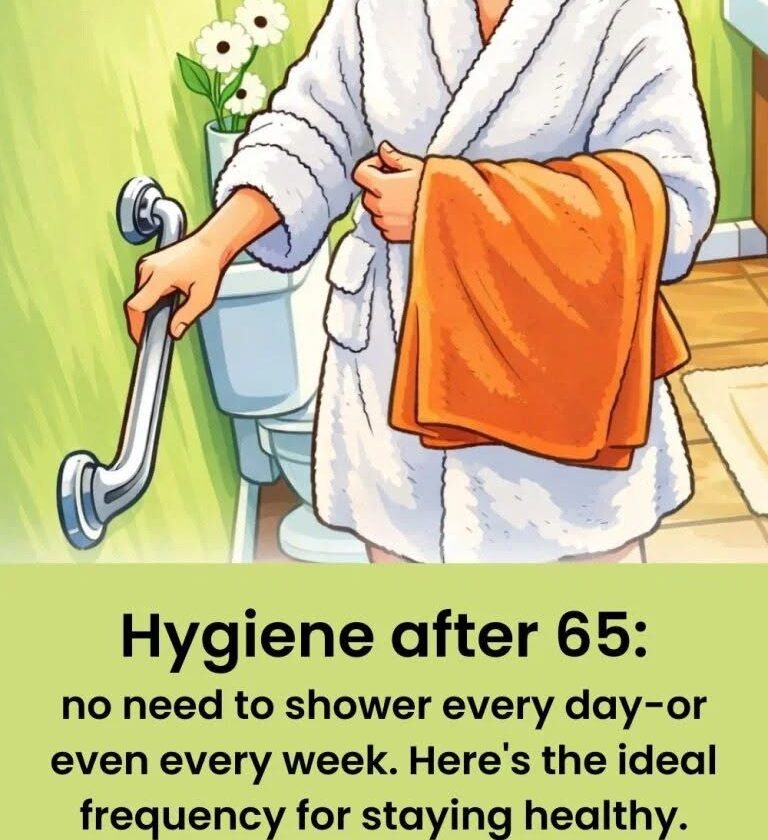
The headline “Daily showers after 65 may do more harm than good” is partly true but overstated. The issue isn’t that showering every day is inherently harmful after 65. Rather, aging skin tends to become thinner, drier, and more easily irritated, so long, hot showers and harsh soaps can make those problems worse.
A
American Academy of Dermatology
+1
Why frequent showers can be a problem
Hot water removes natural skin oils, increasing dryness and itching.
Long showers can worsen dry skin, especially when combined with strong soaps or scrubbing.
Older skin generally loses water more easily and produces less protective oil.
A
American Academy of Dermatology
Excessively dry skin can crack and bleed, potentially making irritation and skin problems worse.
A
American Academy of Dermatology
Does that mean you should stop showering every day?
Not necessarily. If you sweat heavily, exercise, work in a dirty environment, or simply prefer a daily shower, there’s no universal reason to stop. The American Academy of Dermatology notes that some older adults may find they don’t need to bathe every day, but emphasizes how you shower rather than imposing a specific frequency.
A
American Academy of Dermatology
A skin-friendly routine after 65
🚿 Keep showers around 5–10 minutes.
🌡️ Use warm rather than hot water.
🧴 Choose a gentle, fragrance-free cleanser, and don’t aggressively scrub your entire body.
🧻 Pat—not rub—your skin dry.
🧴 Apply a fragrance-free cream or ointment while your skin is still slightly damp, ideally within a few minutes of showering.
A
American Academy of Dermatology
If your skin remains extremely dry, itchy, cracked, or develops a rash despite these changes, it’s worth talking with a healthcare professional because medications and conditions such as diabetes, thyroid disease, and kidney disease can also contribute to dry skin.
A
American Academy of Dermatology
Bottom line: After 65, you don’t necessarily need to shower less—you may simply need to shower more gently.
A
Sources