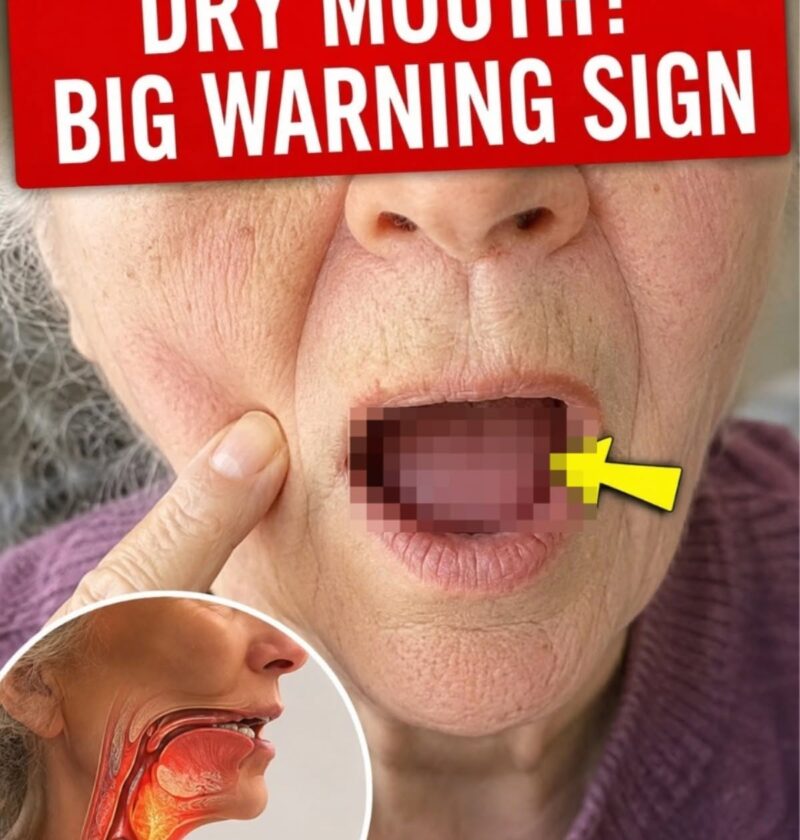
Dry mouth every morning is usually not an emergency, but if it happens regularly, it can be worth investigating. A dry mouth can result from something as simple as overnight dehydration or breathing through your mouth while sleeping, but medications and certain medical conditions can also contribute.
N
nidirect
+1
Common reasons you wake up with a dry mouth
💧 Not enough fluids during the day or dehydration.
😴 Sleeping with your mouth open, often because of nasal congestion or snoring.
💊 Medications — many medicines can reduce saliva, including some antihistamines, antidepressants, diuretics and blood-pressure medicines.
N
NHS Inform
+1
🩸 Diabetes/high blood sugar, particularly if dry mouth occurs with excessive thirst and frequent urination.
N
nhs.uk
Sjögren’s disease, especially if you also have persistently dry or gritty eyes.
🚬 Smoking and alcohol, which can worsen dryness.
M
Mayo Clinic
What you can try
Keep water beside your bed and take regular sips during the day. Sugar-free chewing gum or sugar-free sweets can stimulate saliva. Avoid excessive alcohol and caffeine, and maintain good dental hygiene because reduced saliva increases the risk of tooth decay and gum problems.
N
NHS Inform
+1
If you suspect a medication is responsible, don’t stop it yourself—ask your doctor or pharmacist whether the medicine or dose could be contributing.
N
nidirect
When to get checked
See a doctor or dentist if the dryness persists for several weeks, or if you have difficulty swallowing or speaking, a painful/red mouth, recurring oral infections, white patches, dry eyes, or unusually frequent urination/thirst.
N
NHS Inform
Bottom line: Morning dry mouth most often points to dehydration, mouth breathing, or medication effects, rather than a serious disease—but persistent symptoms deserve a proper check rather than being ignored.
N
N
N
Sources