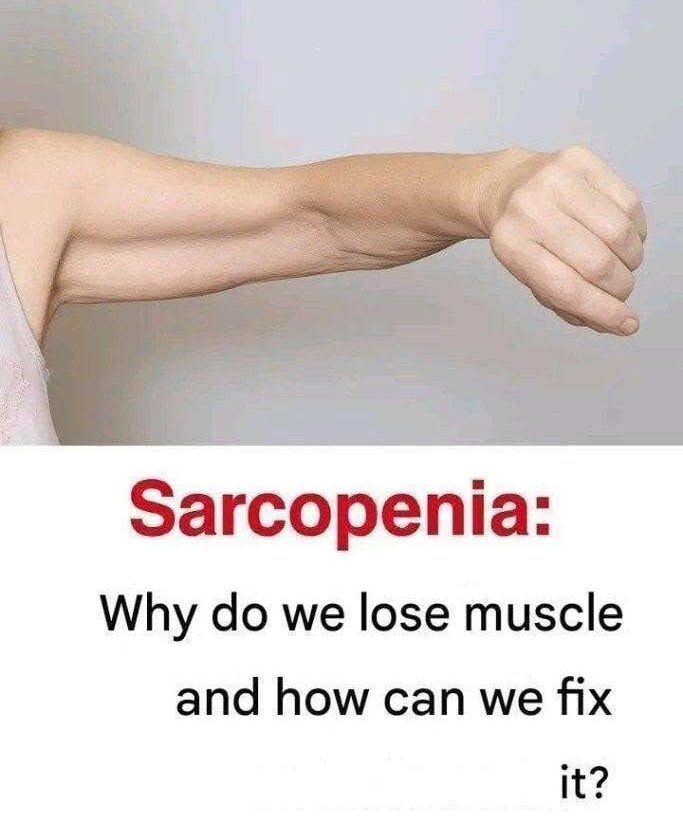
Sarcopenia: Causes of muscle loss and what actually helps
Sarcopenia is the age-related loss of muscle strength and muscle mass. It can make everyday activities—such as climbing stairs, carrying groceries, or getting out of a chair—more difficult and can increase the risk of falls.
C
Cleveland Clinic
+1
Why does muscle loss happen?
Common contributors include:
Normal aging and changes in muscle metabolism
Physical inactivity, particularly prolonged sitting or bed rest
Insufficient protein or overall nutrition
Chronic diseases, including some heart, lung, kidney, and inflammatory conditions
Weight loss or repeated periods of illness
Certain medications or hormonal changes may also contribute.
N
News in Health
+1
What can help?
1. Resistance exercise is the cornerstone.
Strength exercises such as squats or sit-to-stands, resistance bands, and appropriately challenging weights can improve muscle strength and function. Evidence-based recommendations commonly use resistance training around 2 days per week, with progression as strength improves.
P
PubMed
+1
2. Get enough protein.
Protein-rich foods—fish, eggs, poultry, dairy, beans, lentils, nuts and seeds—help provide the amino acids needed to maintain muscle. Some clinical references suggest roughly 1.0–1.2 g of protein/kg of body weight per day for older adults with sarcopenia, although individual needs vary with kidney function, illness, activity and nutritional status.
N
NCBI
3. Don’t rely on supplements alone.
Vitamin D or other supplements can be useful when a person is deficient, but supplements aren’t a replacement for resistance exercise and adequate nutrition.
P
PubMed Central (PMC)
How do you know if it’s sarcopenia?
Simply having thinner arms or legs doesn’t establish a diagnosis. Modern definitions emphasize low muscle strength first, with muscle quantity/quality and physical performance used to confirm and assess severity. Clinicians may use grip strength, chair-rise testing, walking tests, and sometimes measurements of muscle mass.
O
OUP Academic
+1
The good news: muscle loss with aging isn’t necessarily irreversible. Appropriate resistance training and nutrition can substantially improve strength and physical function, even in older adults.
N
News in Health
+1
C
N
P
Sources